HomeExpertise04 · System integration
System integration
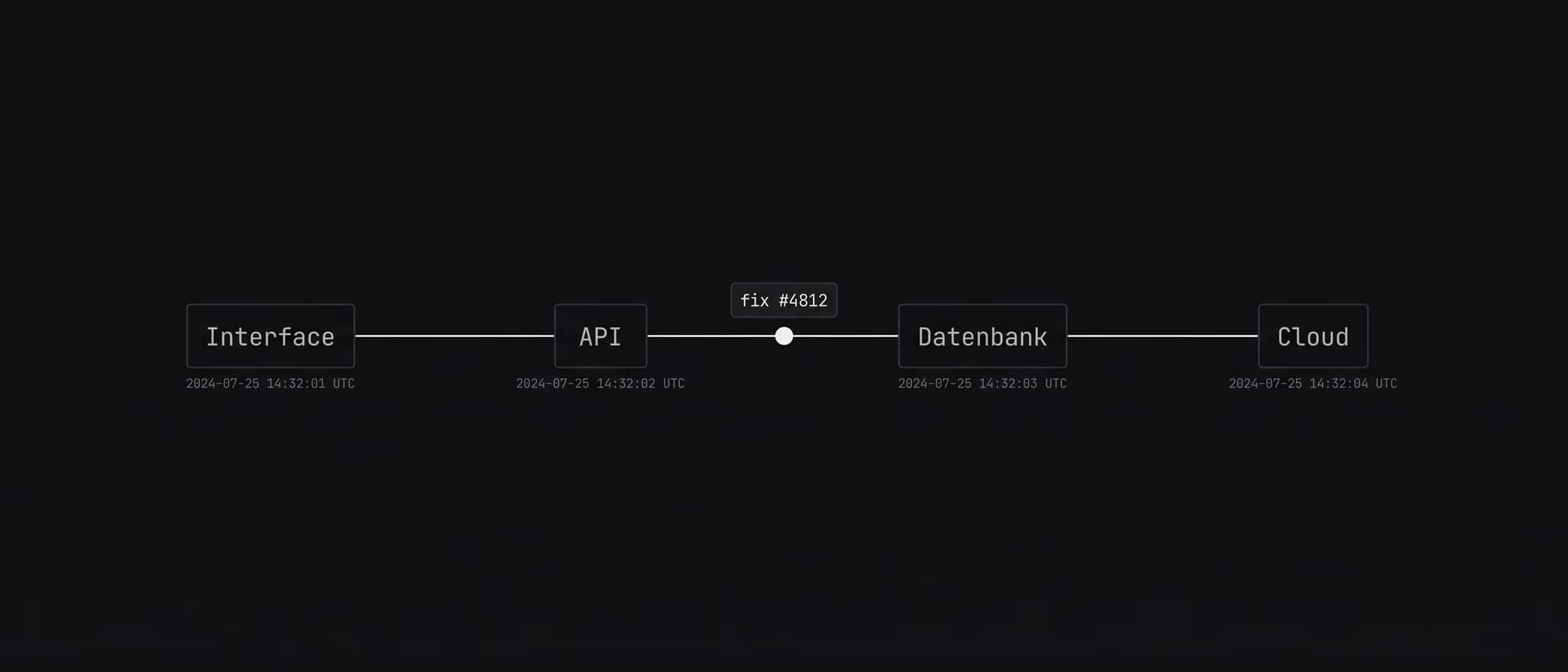
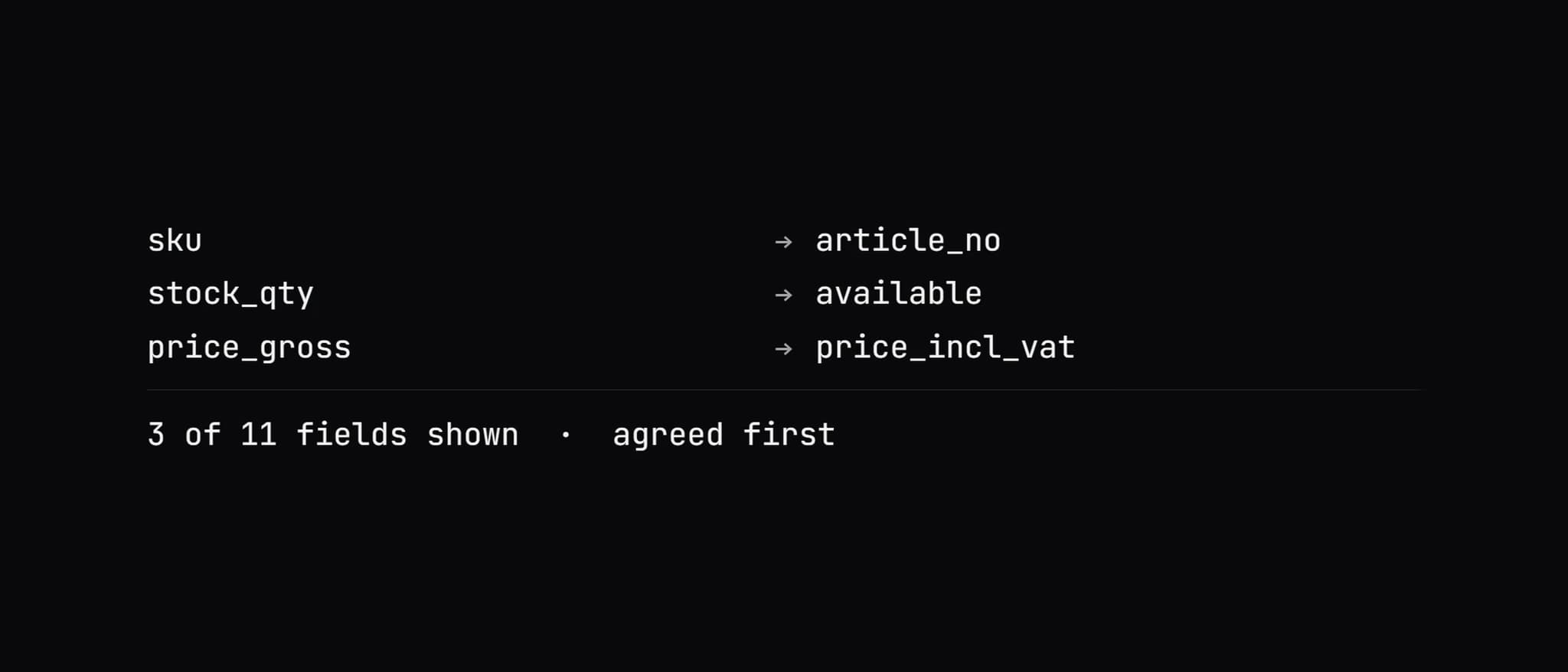
Middleware between systems that do not talk to each other: marketplace connections, stock and order data sync. This page shows what it fails on, how I built it, and what you can check it against.
- Area
- 04 of 04
- Stack
- 8 technologies
- Reference
- ERP integration
 AI-generated
The situation: two systems, two truths
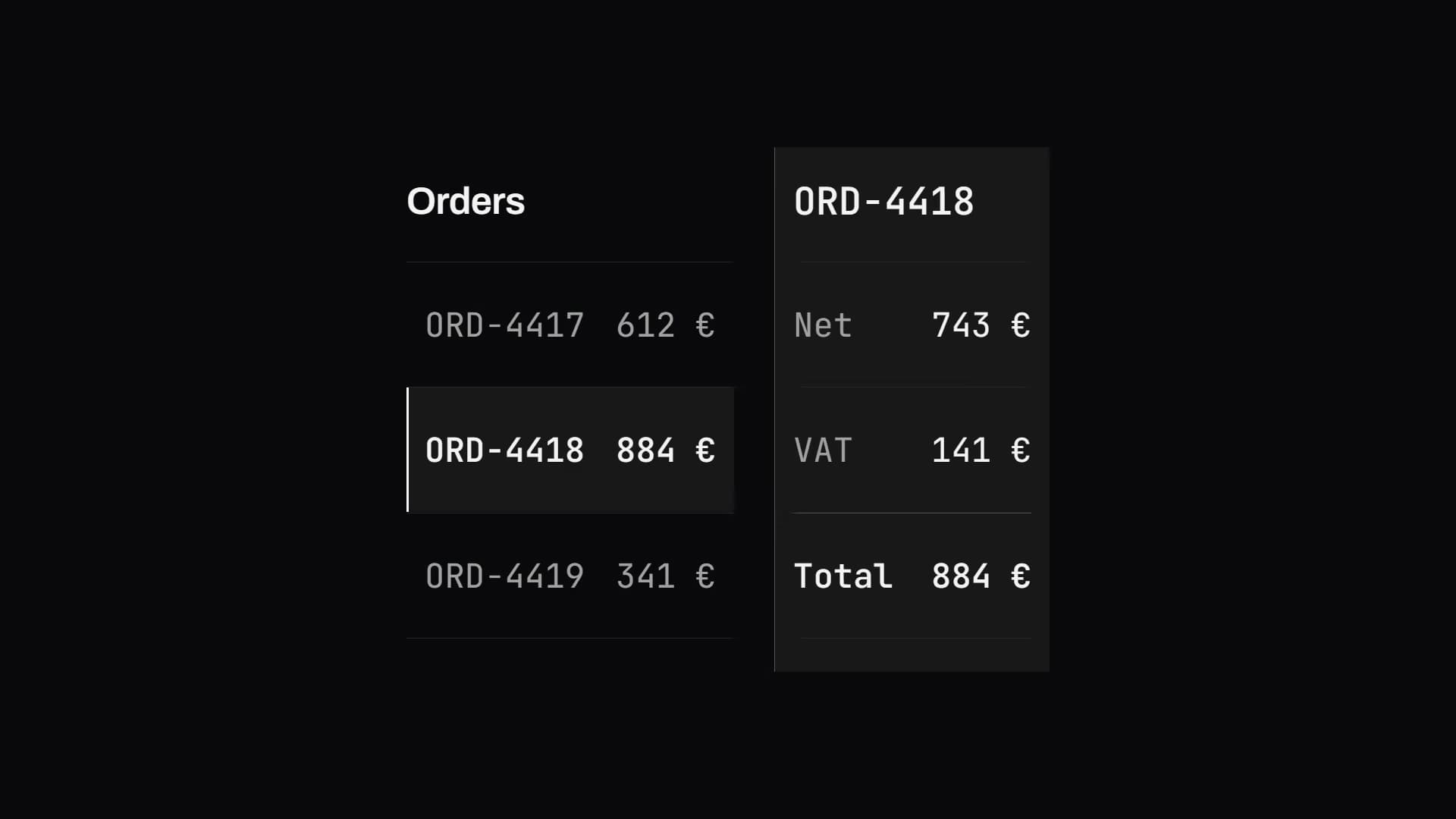
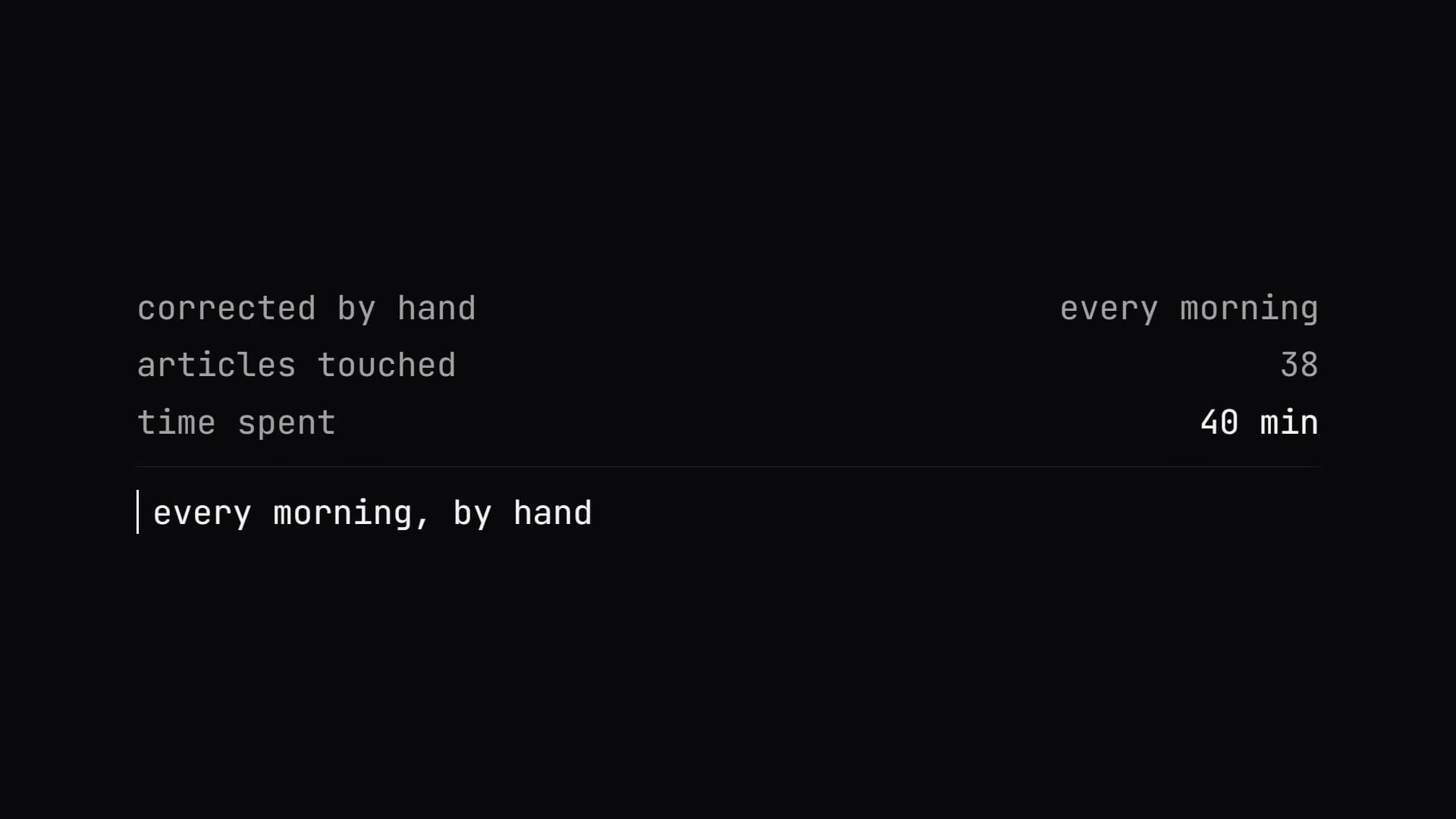
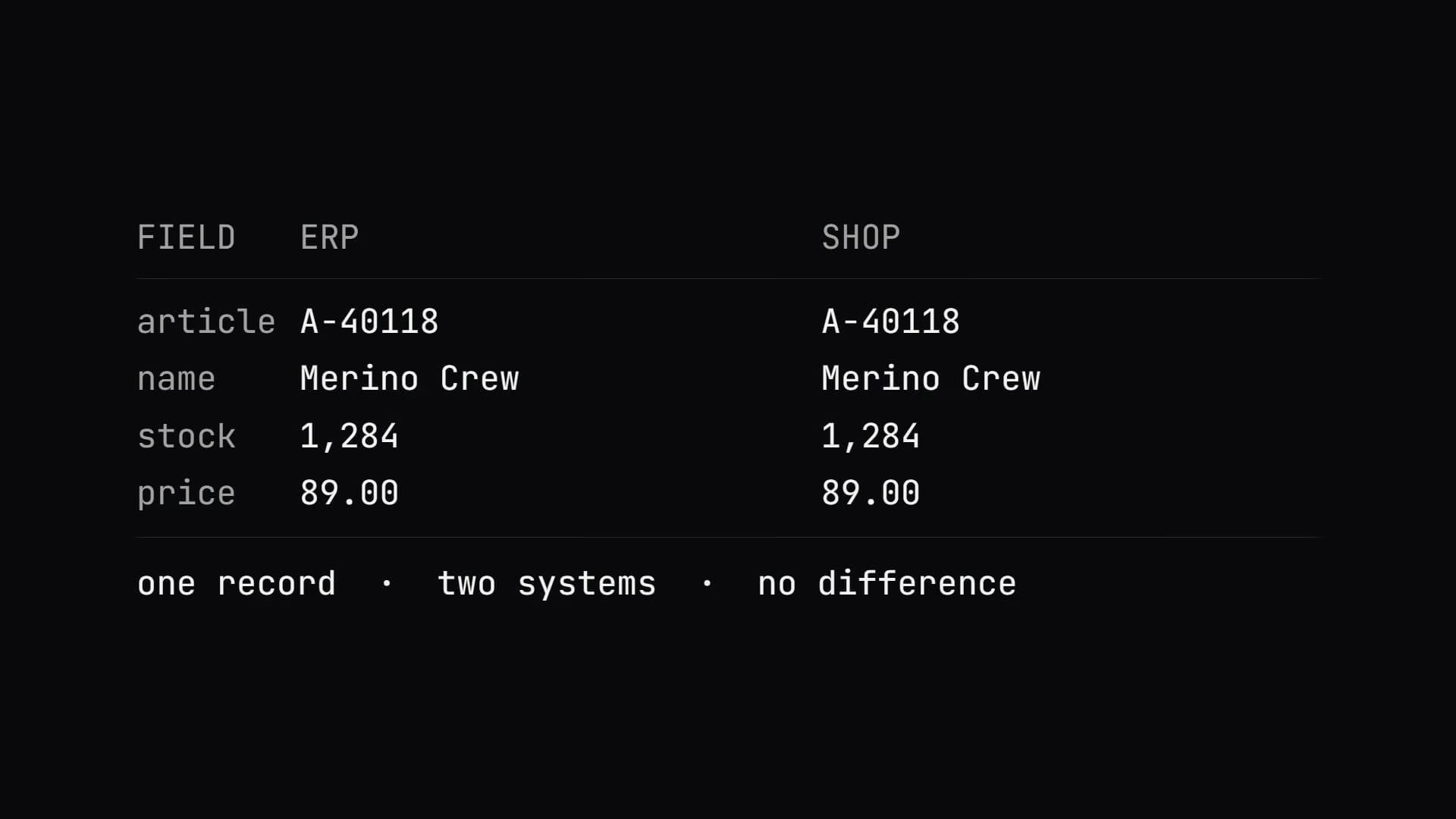
Two systems, two truths. Stock in the shop doesn't match stock in the ERP, and the correction happens by hand — every morning, by someone who should be doing something else.
 AI-generated
Way of working
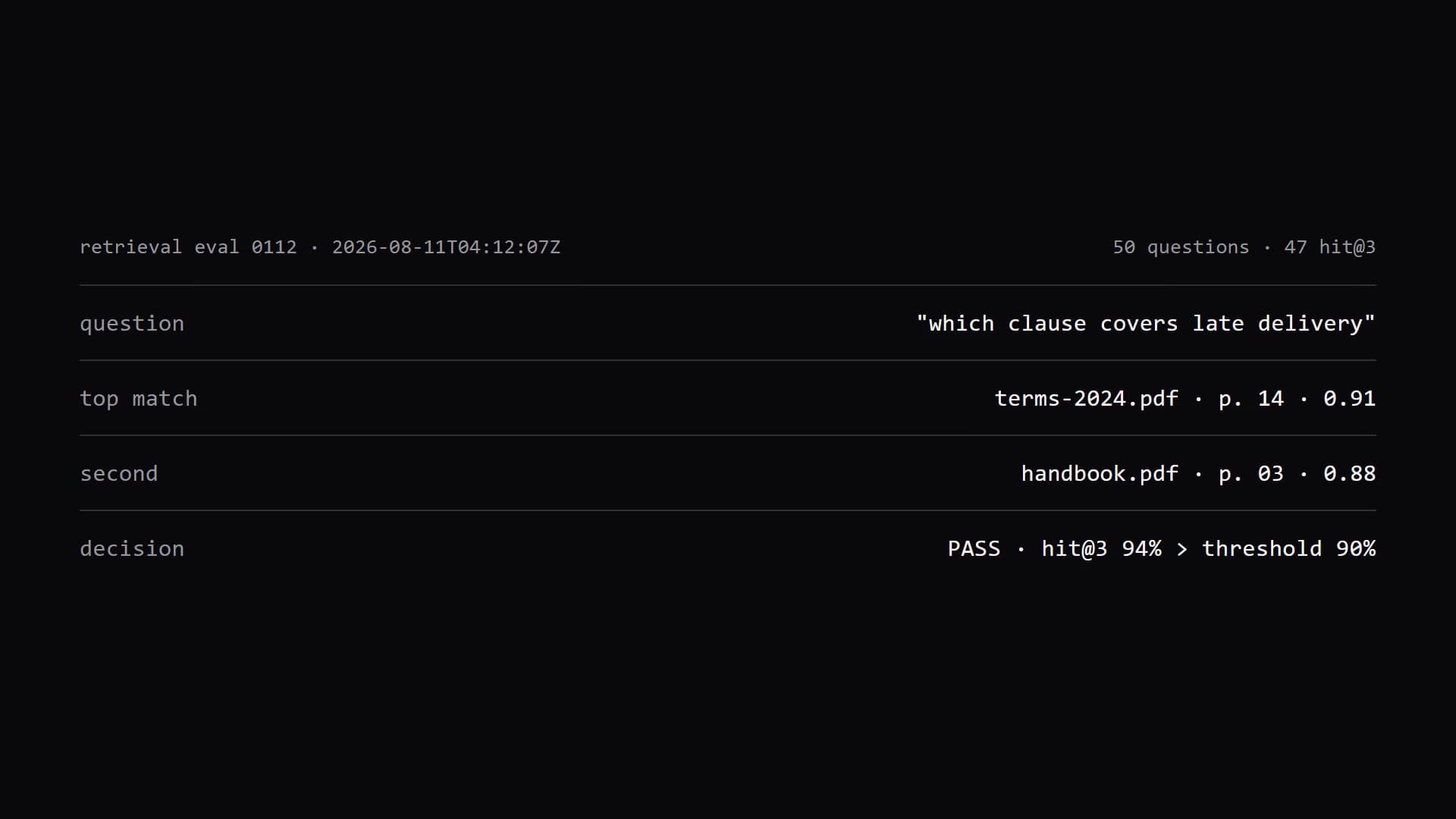
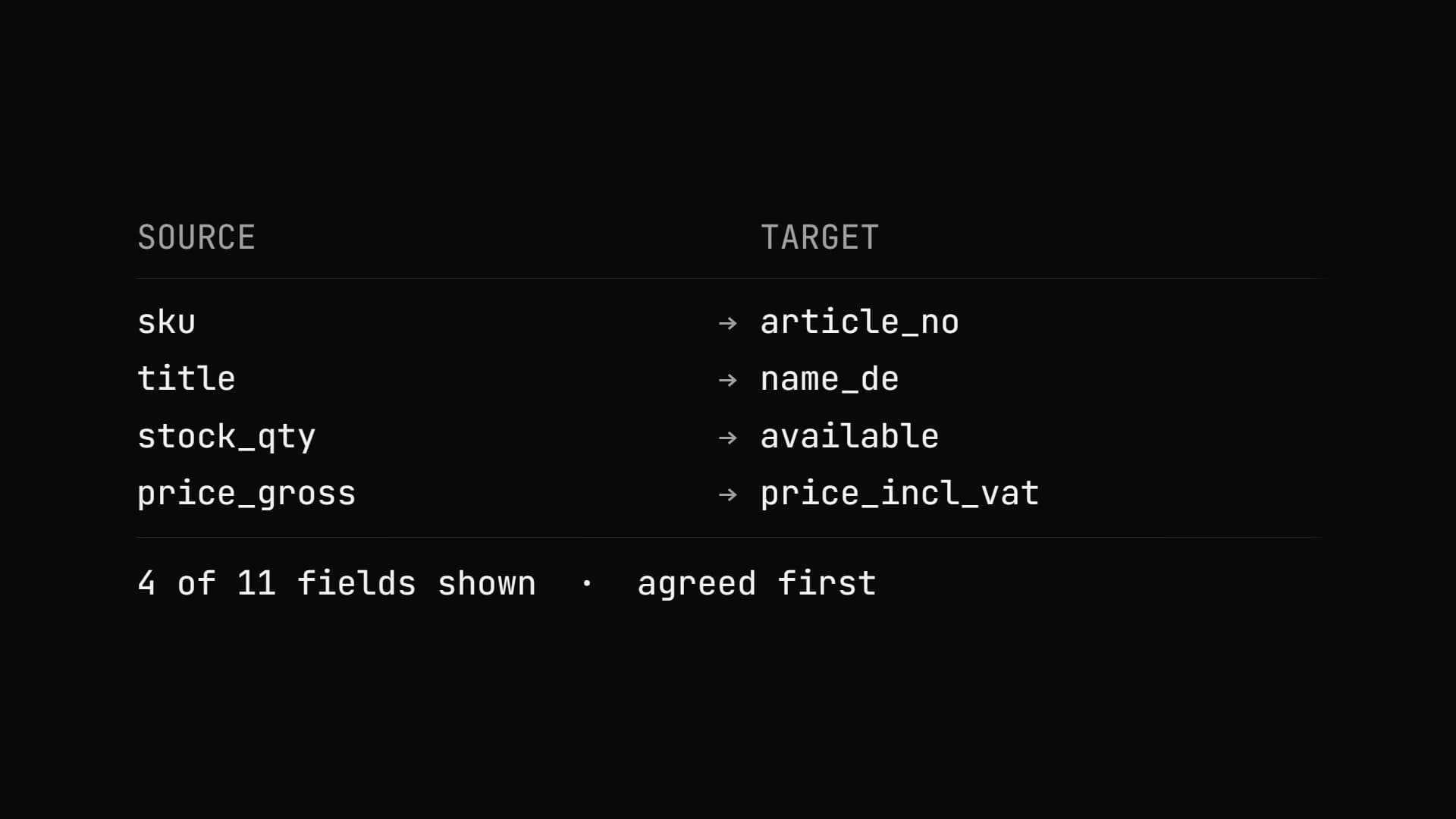
A mapping layer instead of direct coupling. Every discrepancy is logged, not overwritten: when two systems contradict each other, that's information and not an error you're allowed to write away.
EvidenceBefore and after2 exhibits
 AI-generated
The reference project for this area
A capability with no project behind it is a list of technologies. This is the project — with the number it produced, and the case study where you can check it.
Fashion · ERP ↔ shop
0
manual imports since go-live
Three systems, one set of data — without handwork
Python SQL / MariaDB REST-APIs Apparel Magic TB.One Shopify
What I worked on
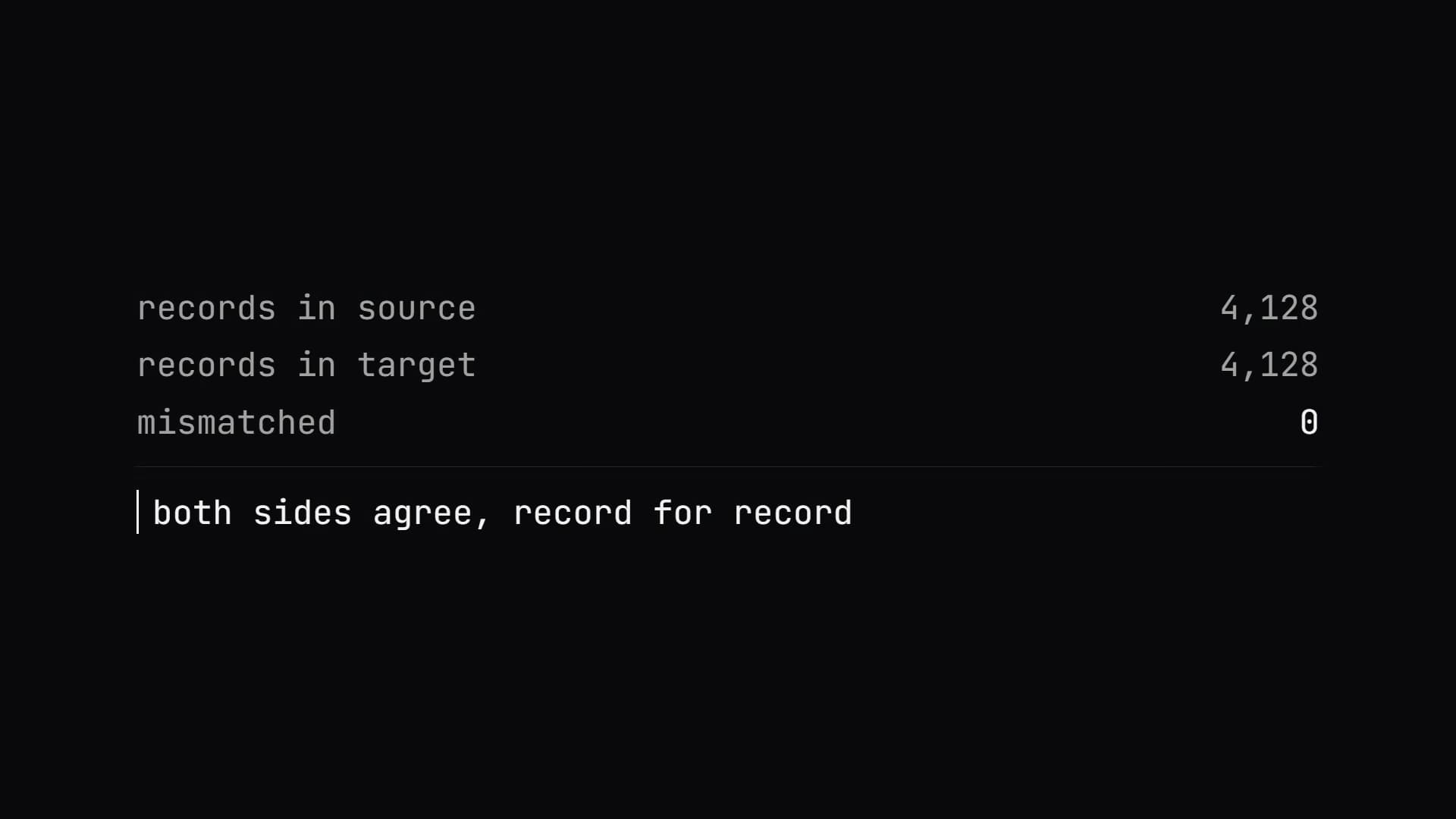
Four kinds of work, each with the one picture that makes it checkable. Numbered so they can be pointed at — not because one follows another: each stands on its own.
- 01
Connecting ERP to a shop or marketplace
- 02
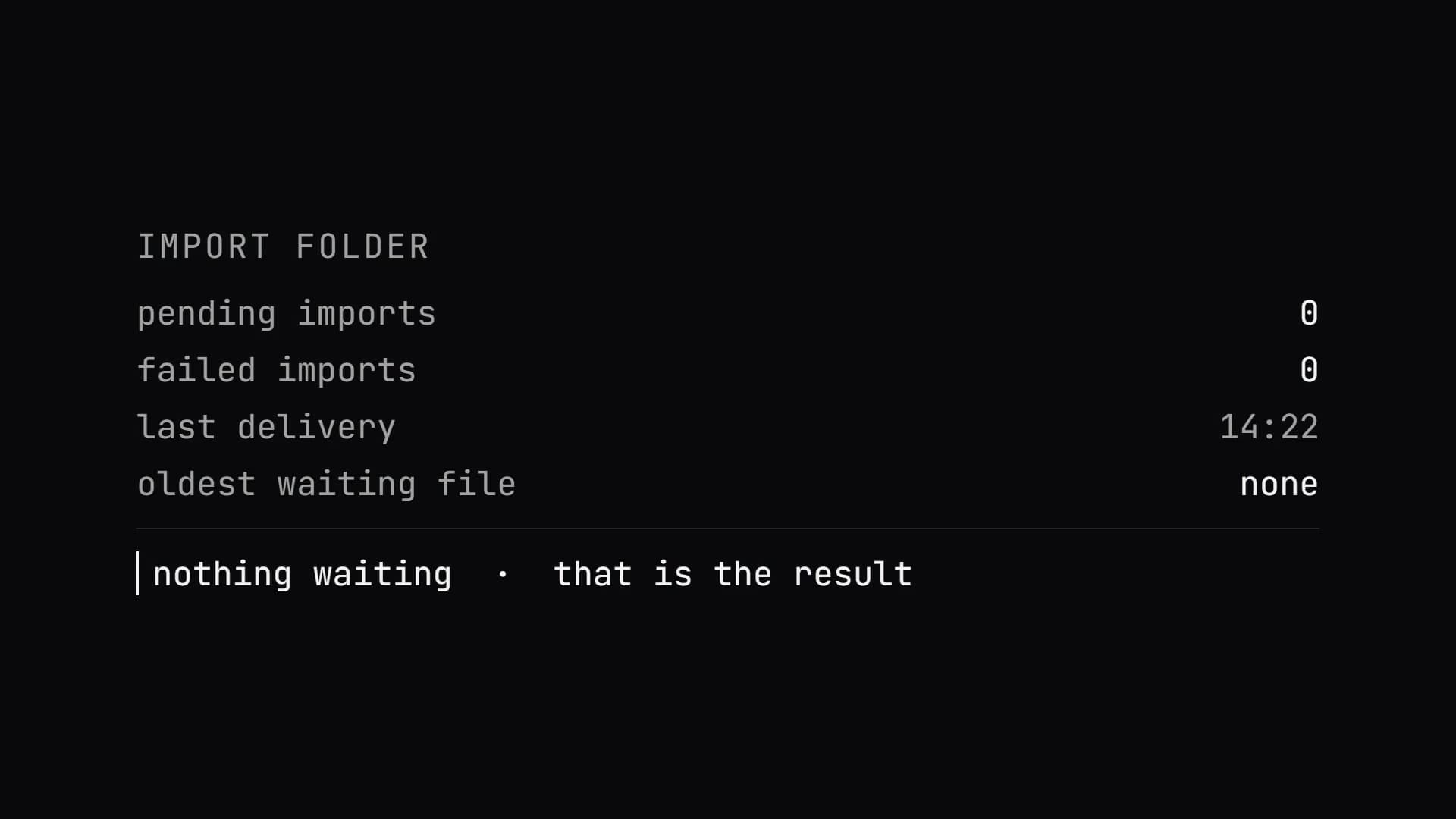
Middleware for mismatched data models
 AI-generated
 - 03
Automated stock and order synchronization
- 04
Retiring manual import and export processes
The stack: Shopify, JTL, REST APIs
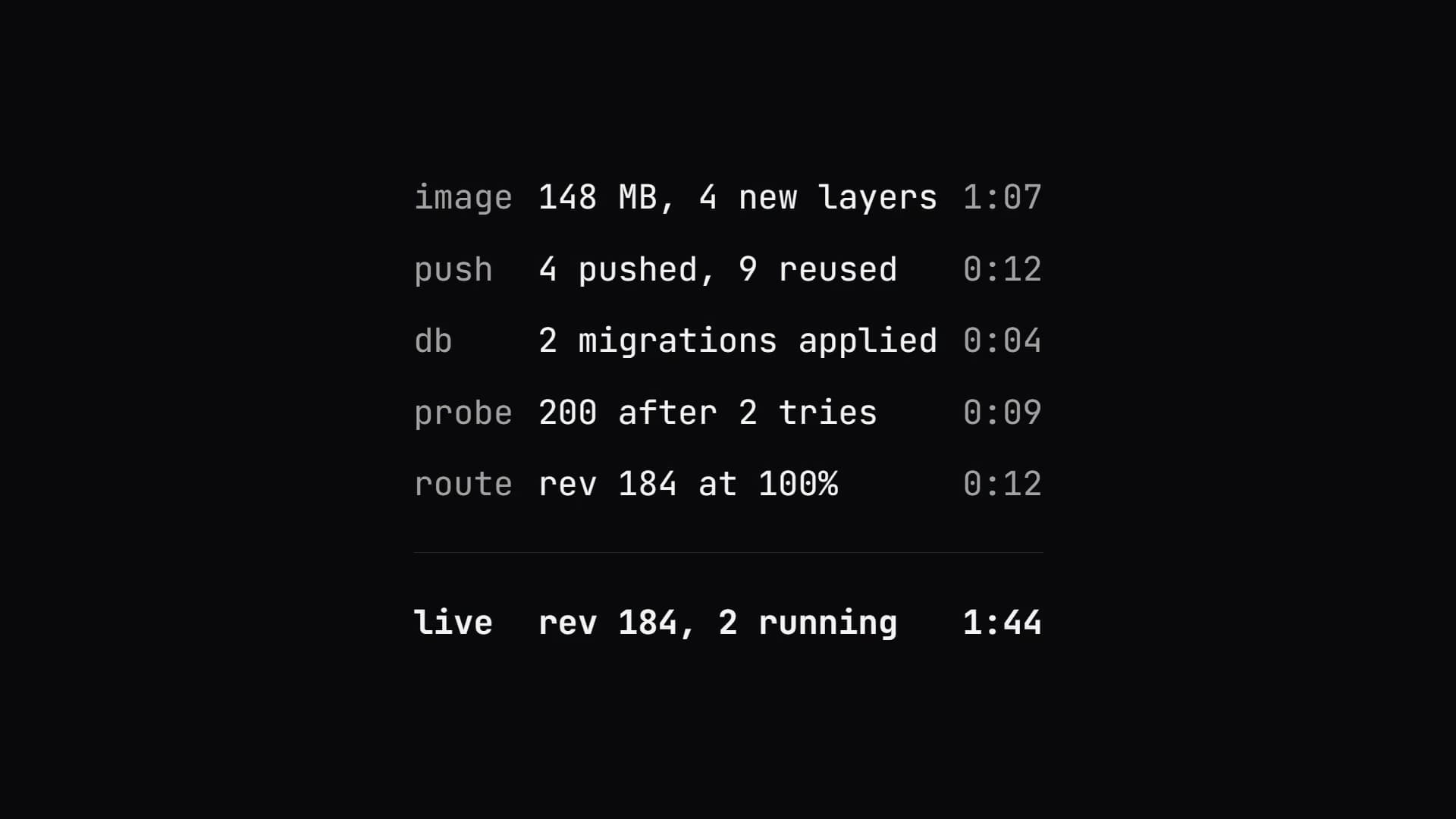
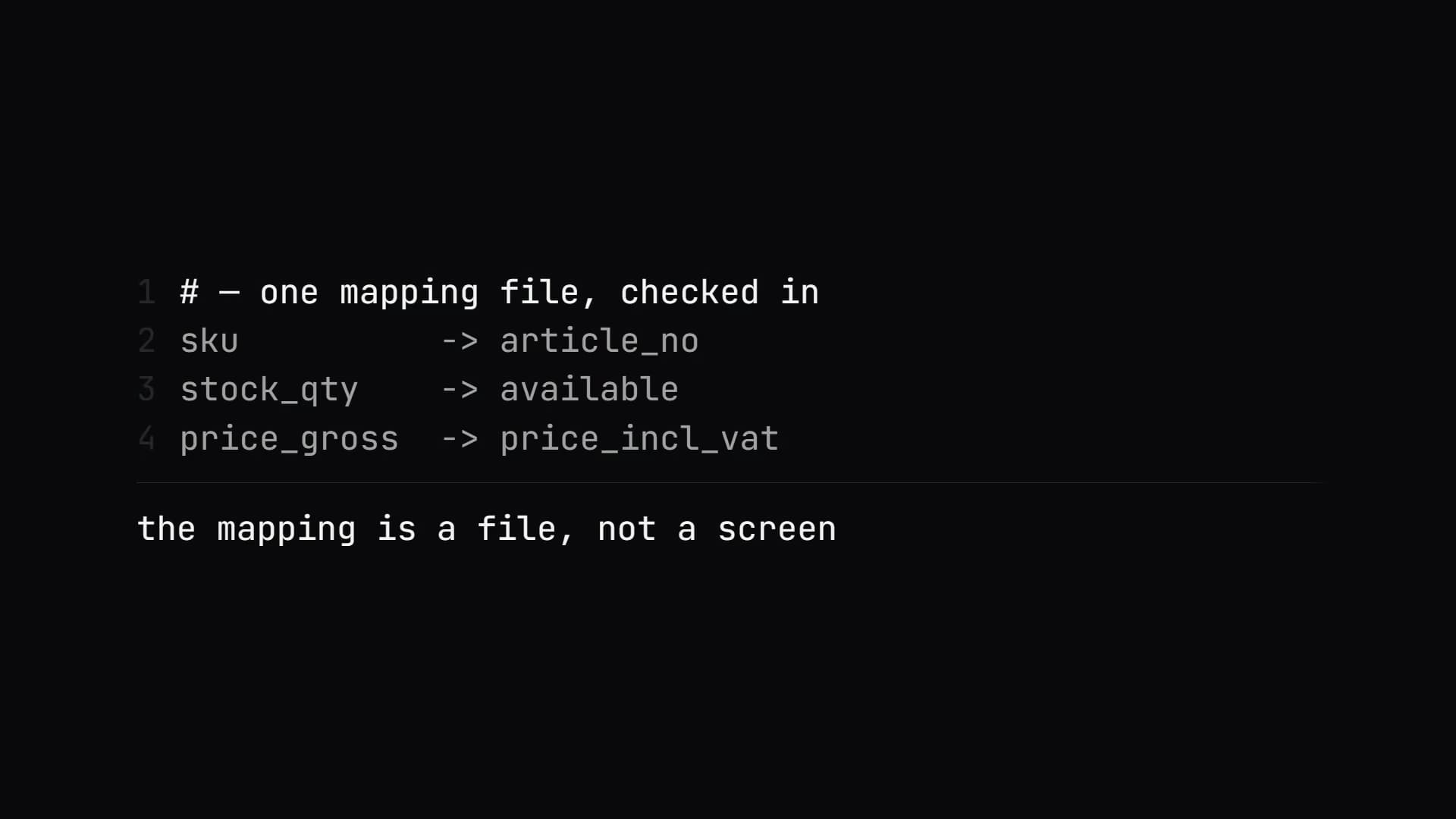
After the situation and the way of working, nobody is still asking what is installed — they are asking whether any of it is real. The line stays; two frames below it answer.
Apparel Magic TradeByte / TB.One Shopify Shopware JTL MariaDB PostgreSQL REST-APIs
In use
Repeatable
Scale
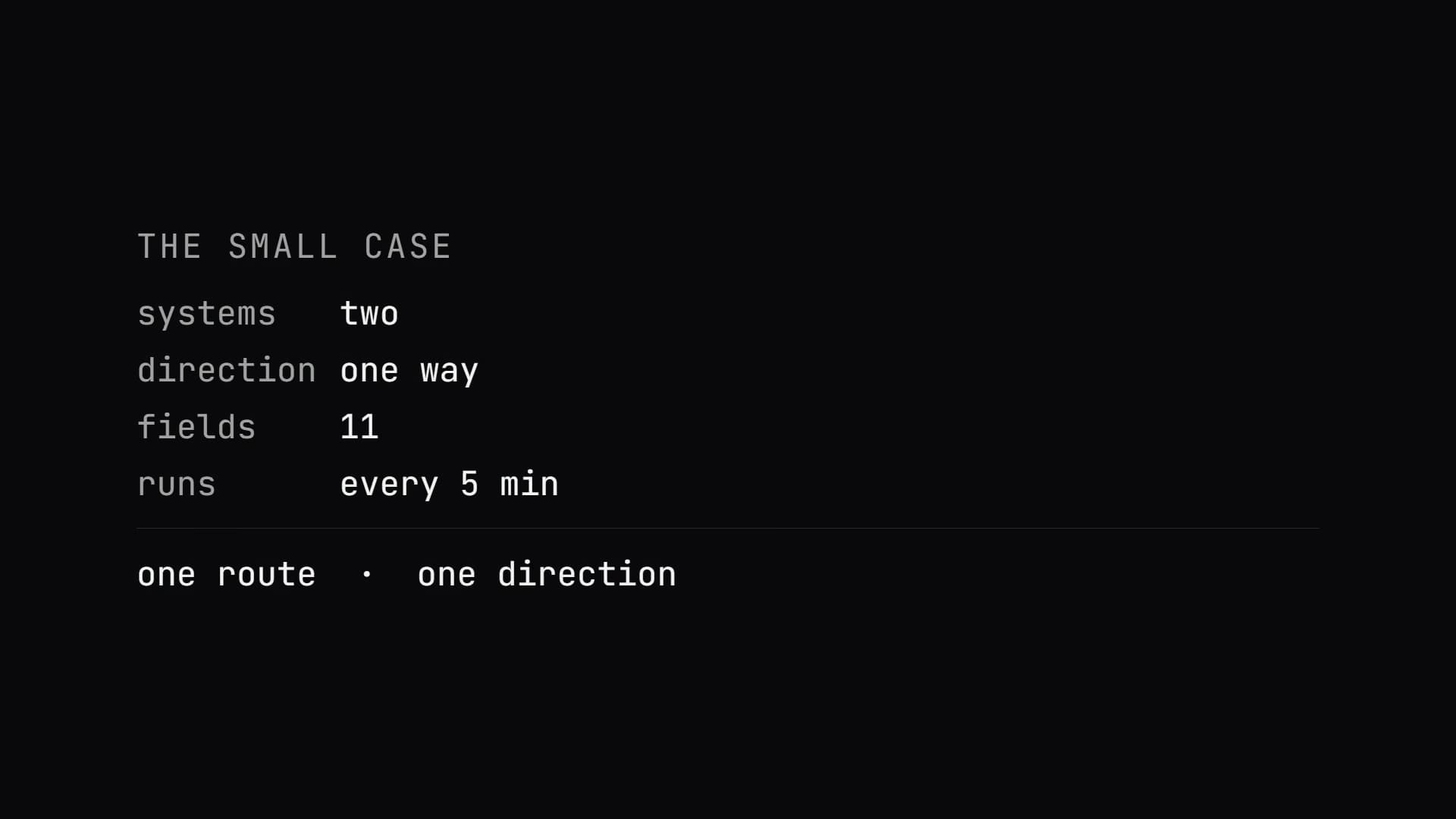
A single connection took two to four weeks. The work almost never sat in the interface, it sat in the rules nobody had written down beforehand.
 AI-generated
Common questions
Five questions that keep coming up about this area — answered from the projects they came up in.
- Which systems have you connected before?
- Apparel Magic, TradeByte/TB.One, Shopify, Shopware, JTL and a series of in-house ERP systems. A system nobody has heard of is not the exception here, it is the normal case.
- What happens when shop and ERP report different stock?
- The discrepancy is logged, not overwritten. A contradiction between two systems is information — writing it away loses exactly the trail you need at the end of the month.
- Is the sync real-time or on an interval?
- Both, depending on the field. Stock runs event-driven, master data on an interval. Wanting everything in real time costs more than it returns and turns any one fault into a fault everywhere.
- How long did a single connection take?
- Two to four weeks. The work almost never sat in the interface, it sat in the rules nobody had written down beforehand — rounding, special prices, returns.
- What if the legacy system has no API?
- Then the middleware takes what is there: database access, CSV export, SFTP, a scheduled report if it comes to that. Less elegant, but checkable — and the legacy system stays untouched.