HomeExpertise03 · AI integration
AI integration
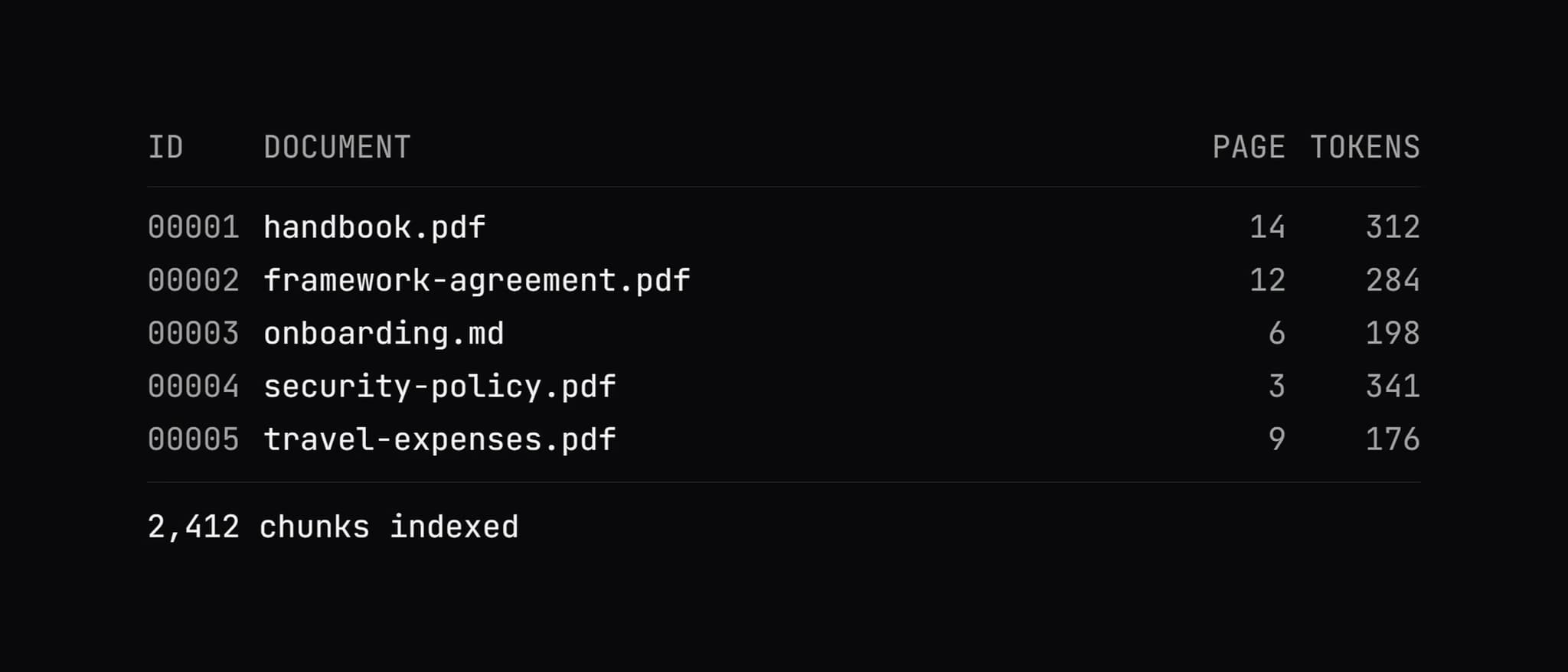
RAG pipelines, embeddings and vector search with pgvector — in production use, not as a demo. This page shows what it fails on, how I built it, and what you can check it against.
 AI-generated
- Area
- 03 of 04
- Stack
- 11 technologies
- Reference
- AI profile generator
 AI-generated
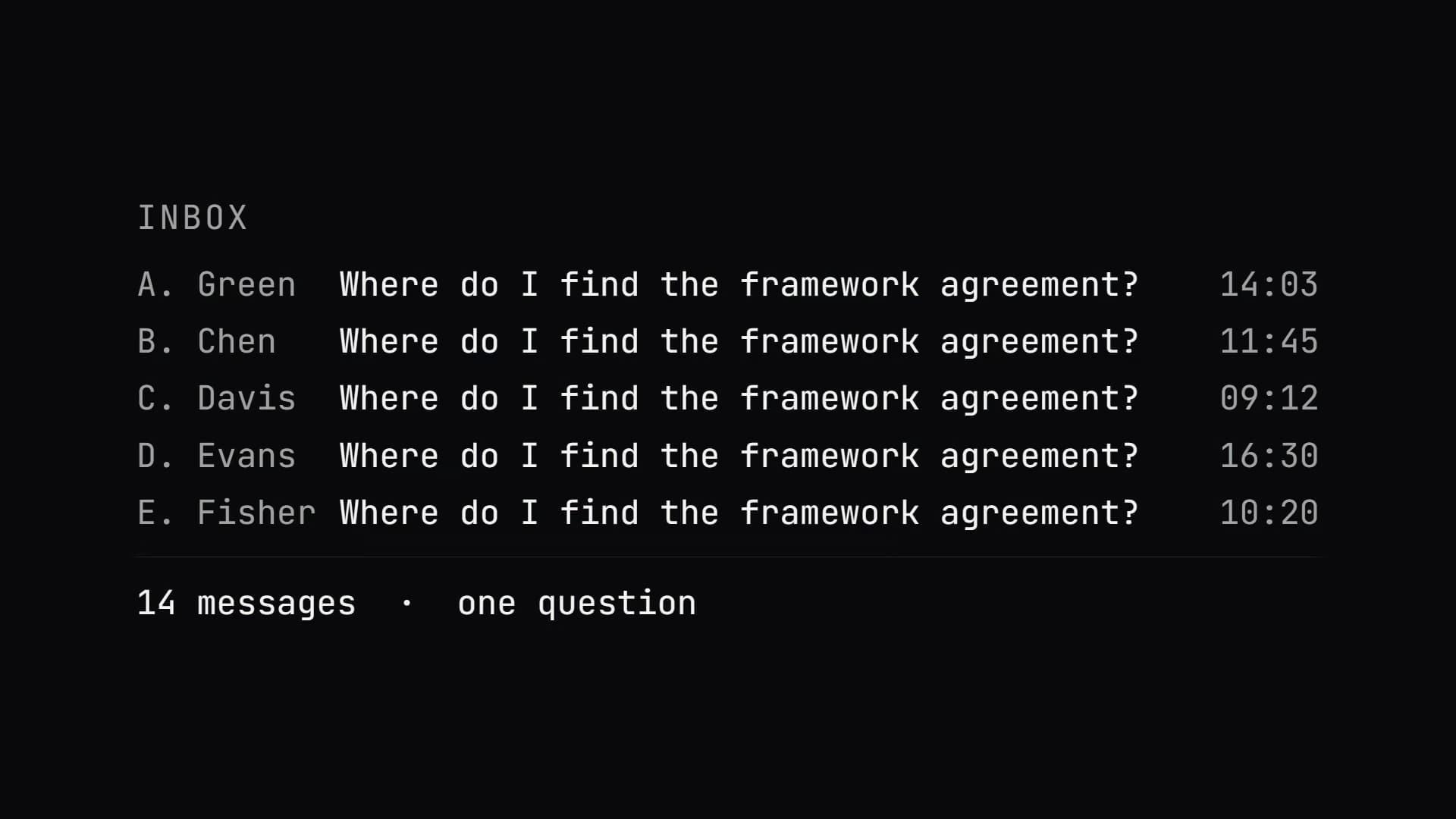
The situation: search finds no answers
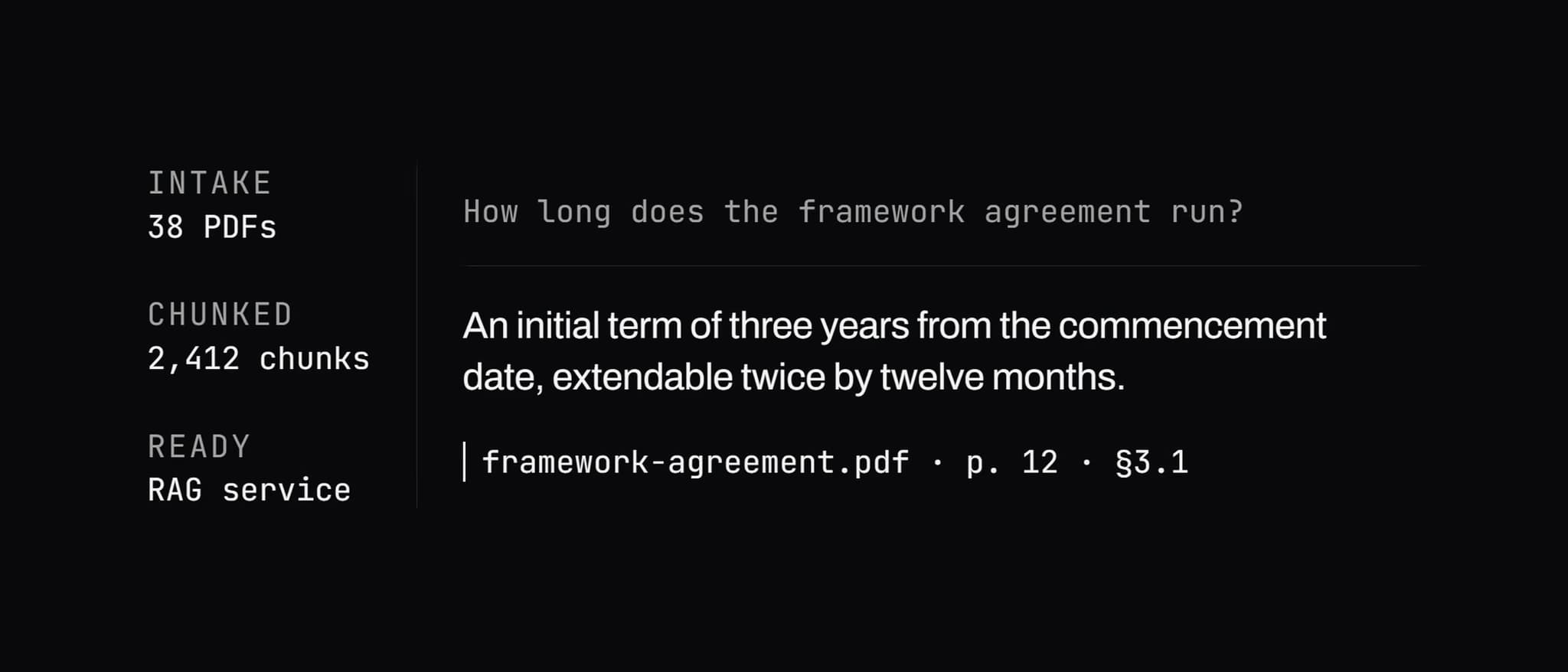
The knowledge is there — in PDFs, tickets and shared drives — but nobody can find it. Search finds words, not answers; so you ask a colleague, and they ask the next one.
 AI-generated
Way of working
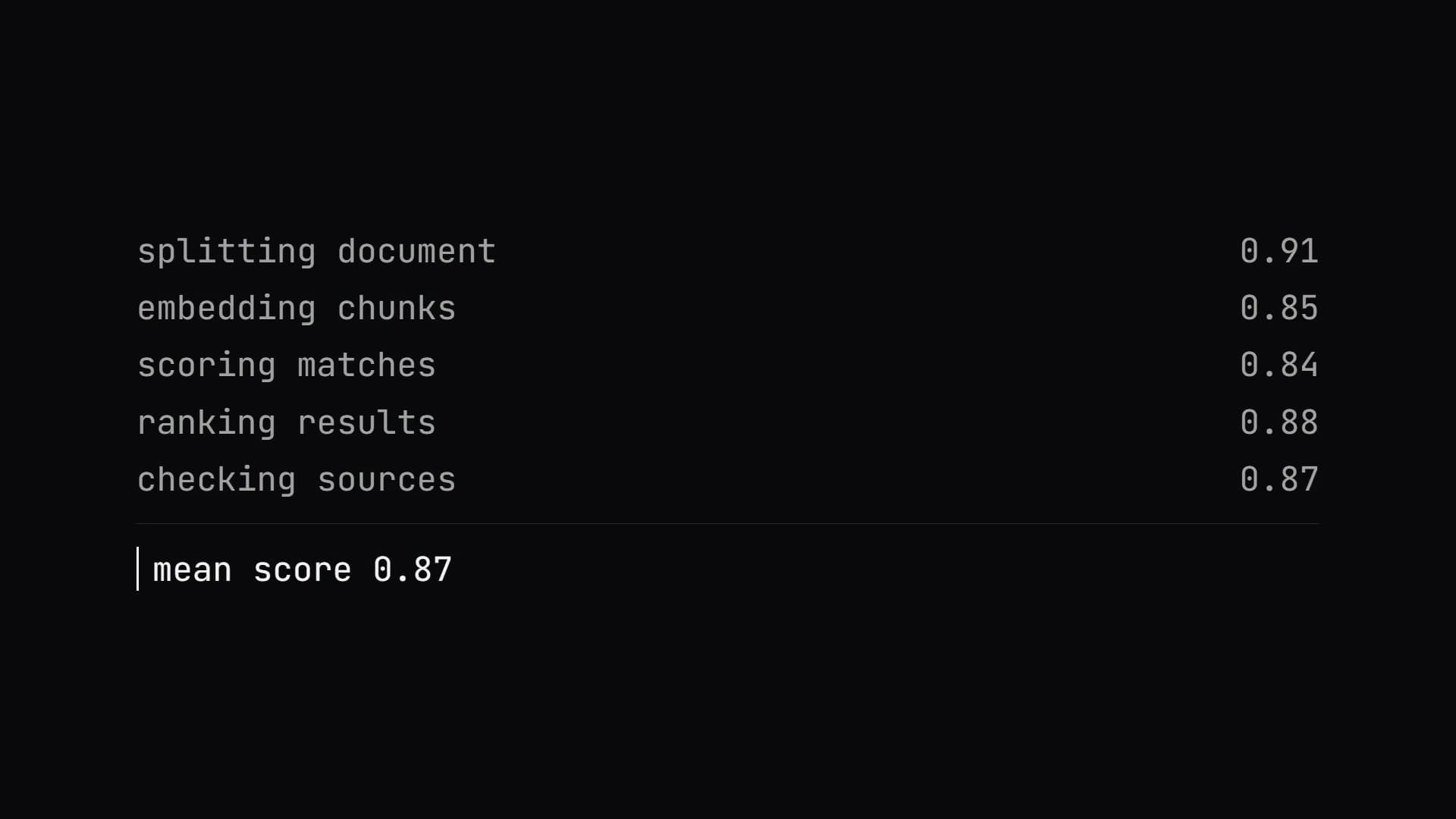
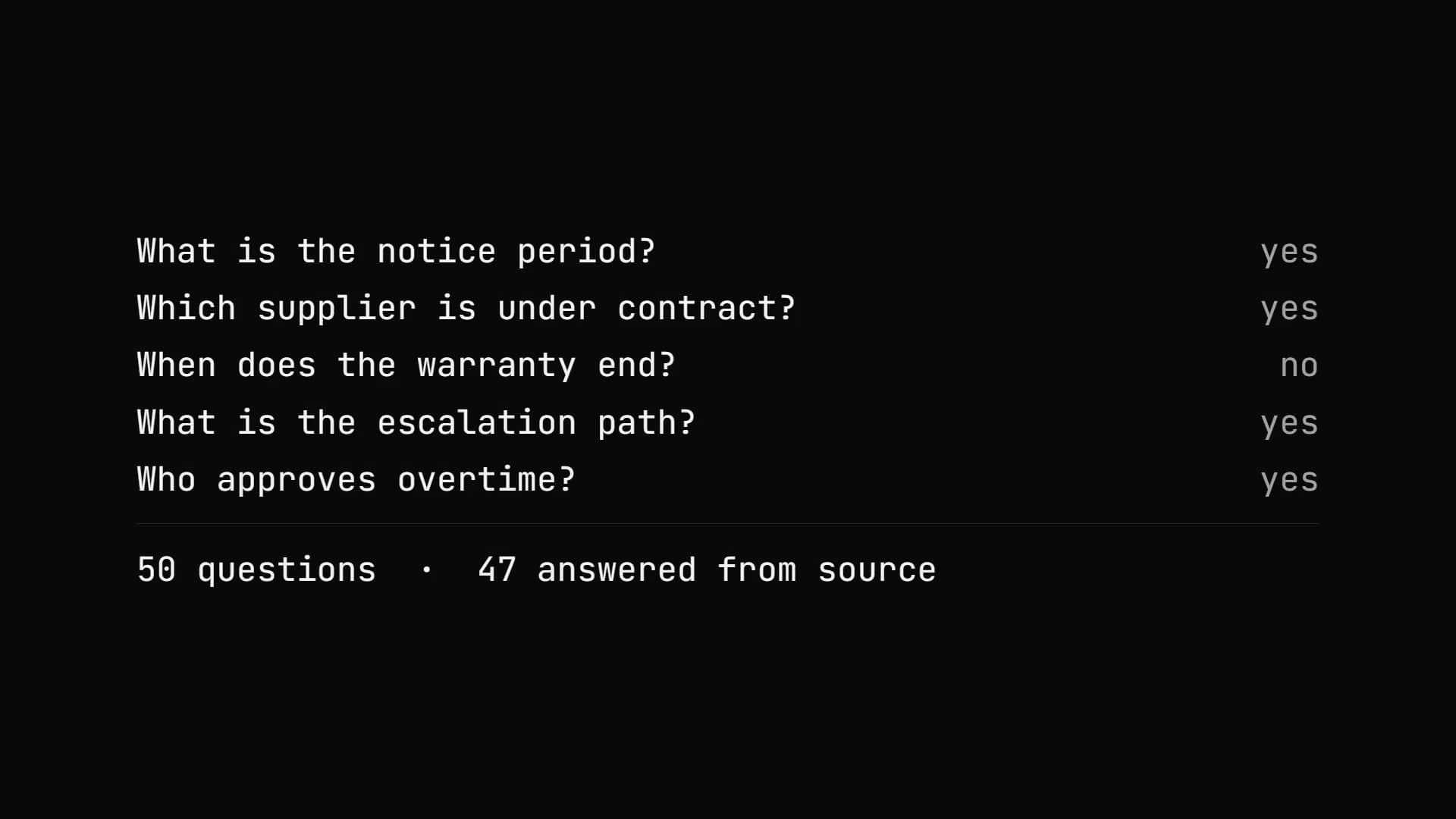
The corpus first, the model second: documents are cut at their headings, embedded and combined with full-text search. Testing runs against real questions from everyday work — nothing goes live below 90 % hit@3.
 AI-generated
EvidenceBefore and after2 exhibits
 AI-generated
 AI-generated
The reference project for this area
A capability with no project behind it is a list of technologies. This is the project — with the number it produced, and the case study where you can check it.
Recruiting · AI
3 min
per proposal · was 45
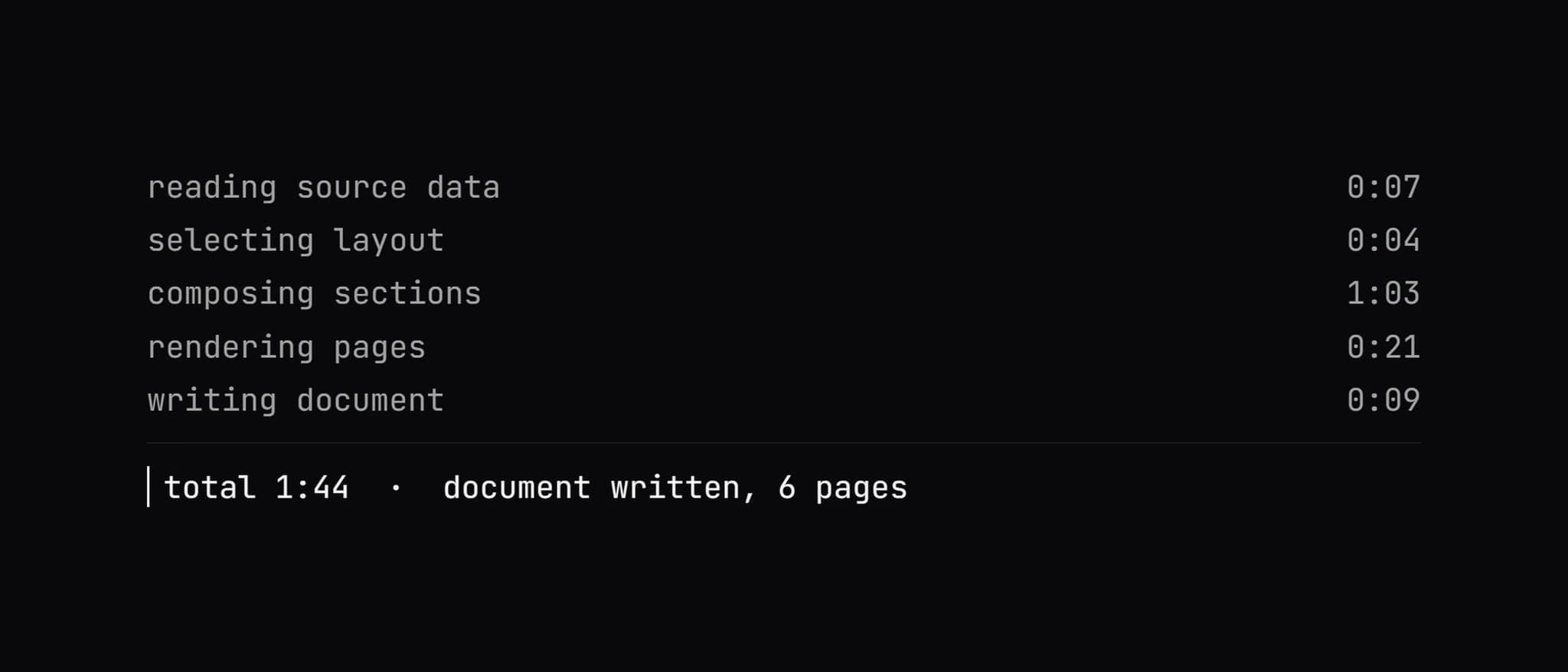
Exposés that write themselves in three minutes
Next.js TypeScript PostgreSQL pgvector RAG Claude / GPT / Gemini AWS (S3, Lambda) Docker
 AI-generated
 AI-generated
What I worked on
Four kinds of work, each with the one picture that makes it checkable. Numbered so they can be pointed at — not because one follows another: each stands on its own.
- 01
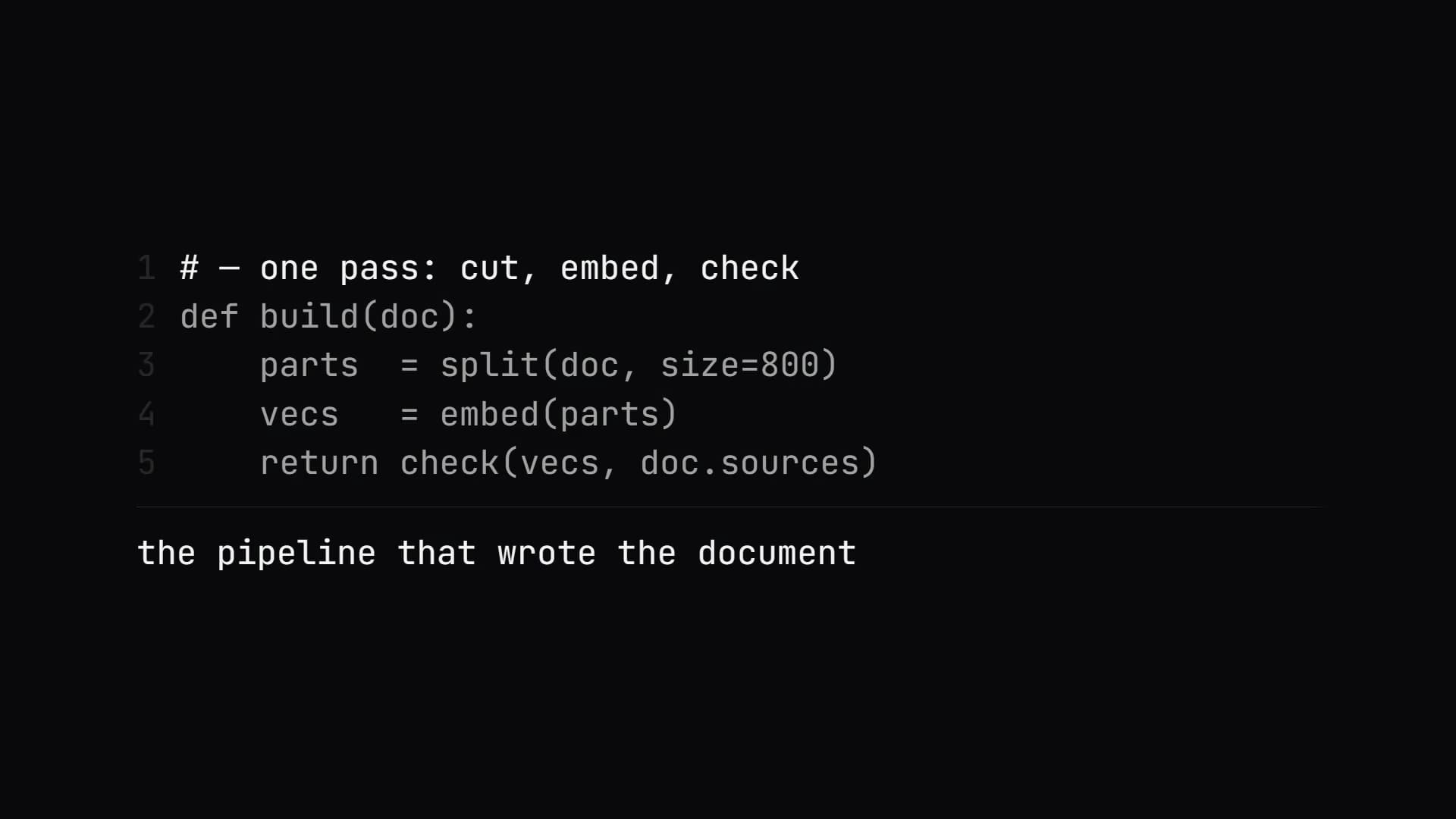
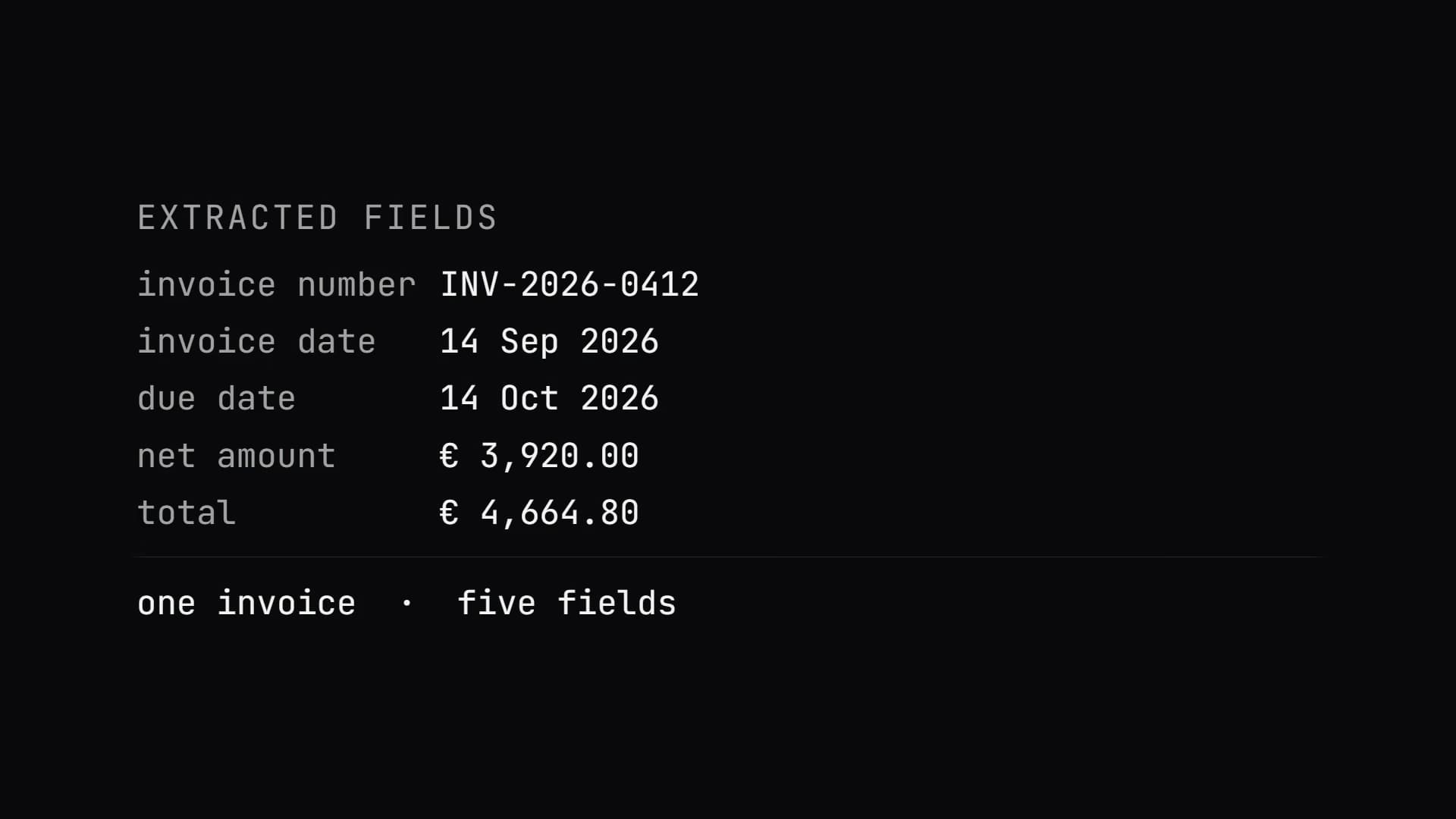
Document processing and automated parsing
 AI-generated
 - 02
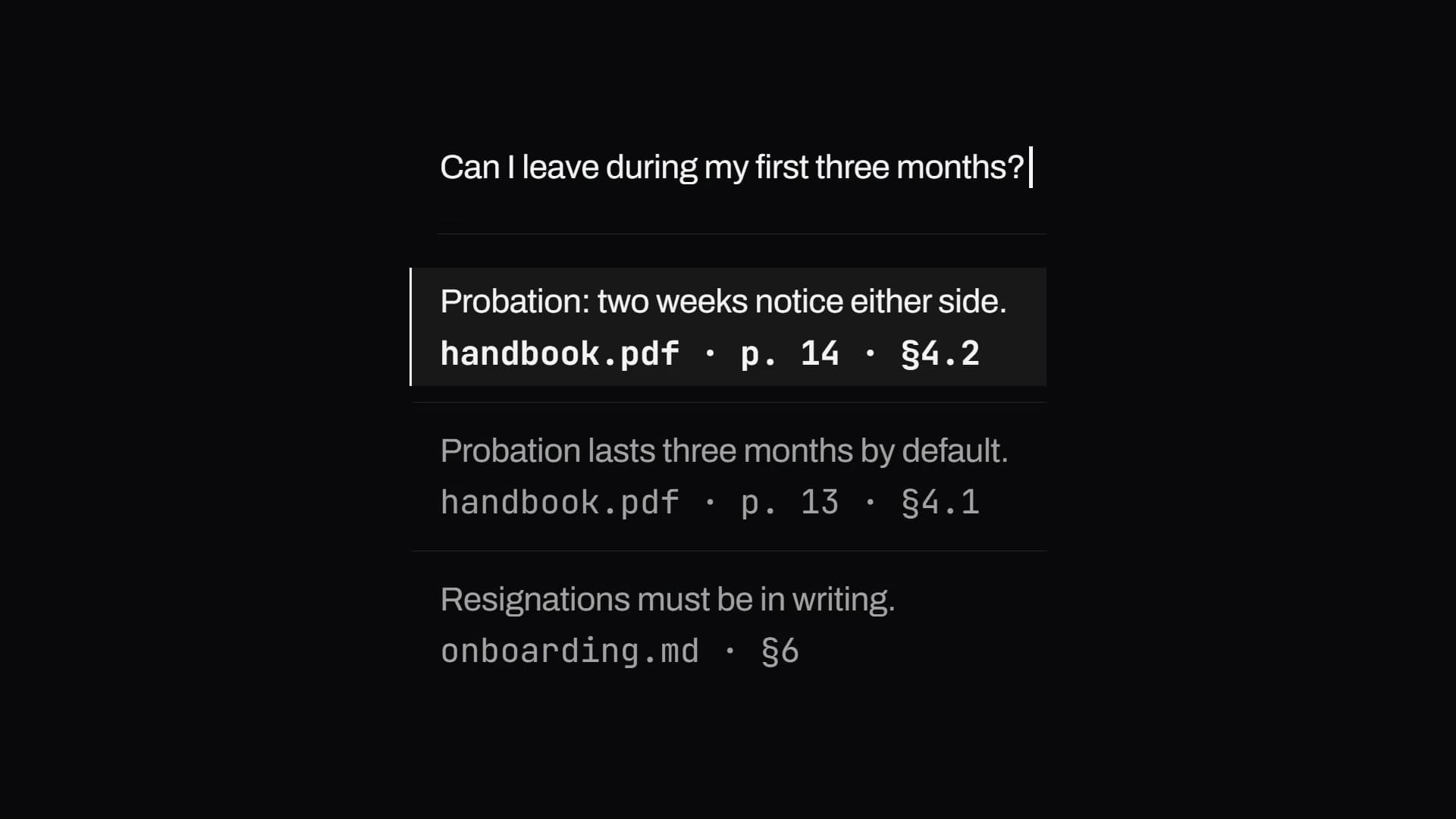
Semantic search across your own data
- 03
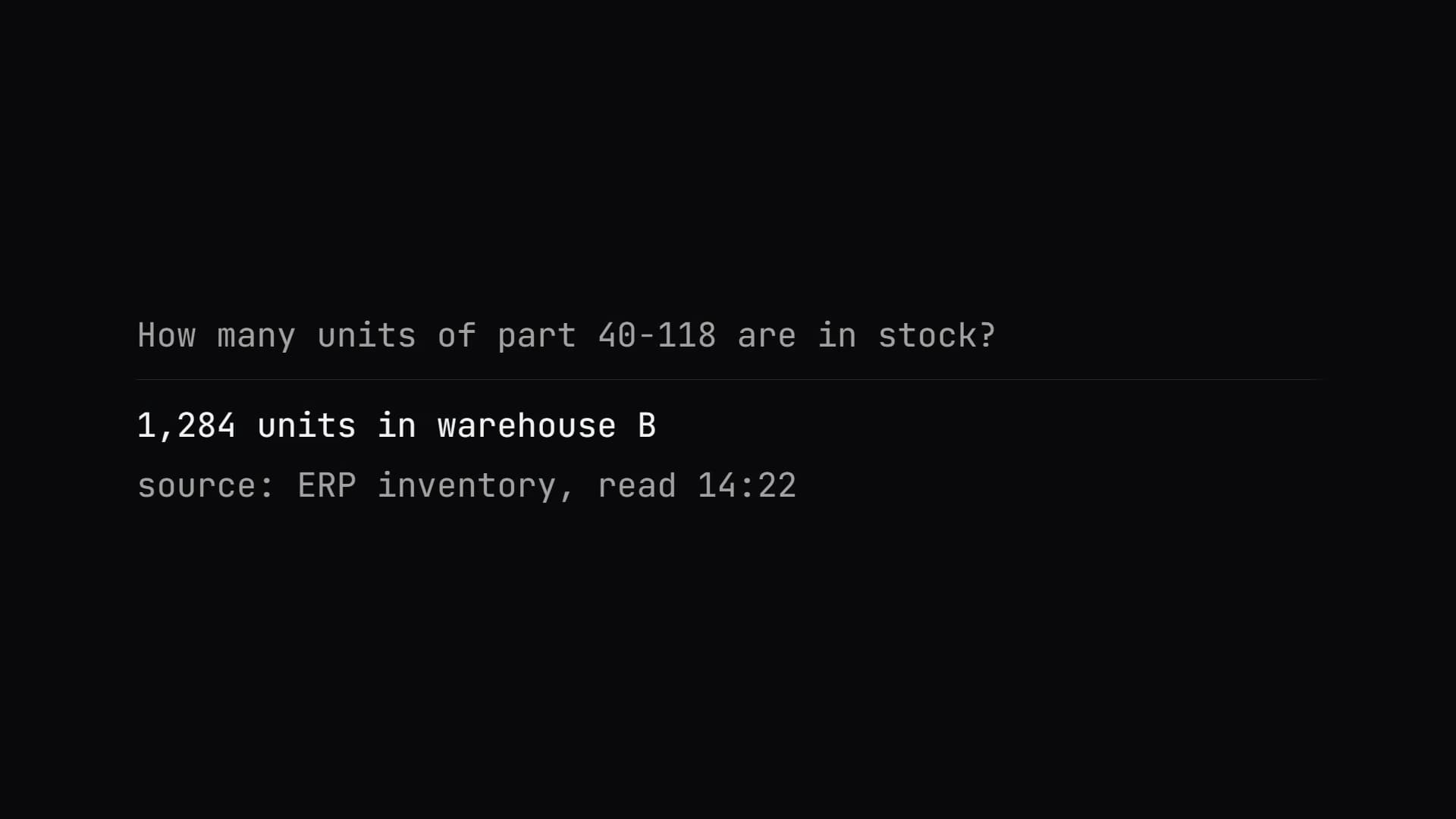
Chat and voice bots connected to existing systems
 AI-generated
 - 04
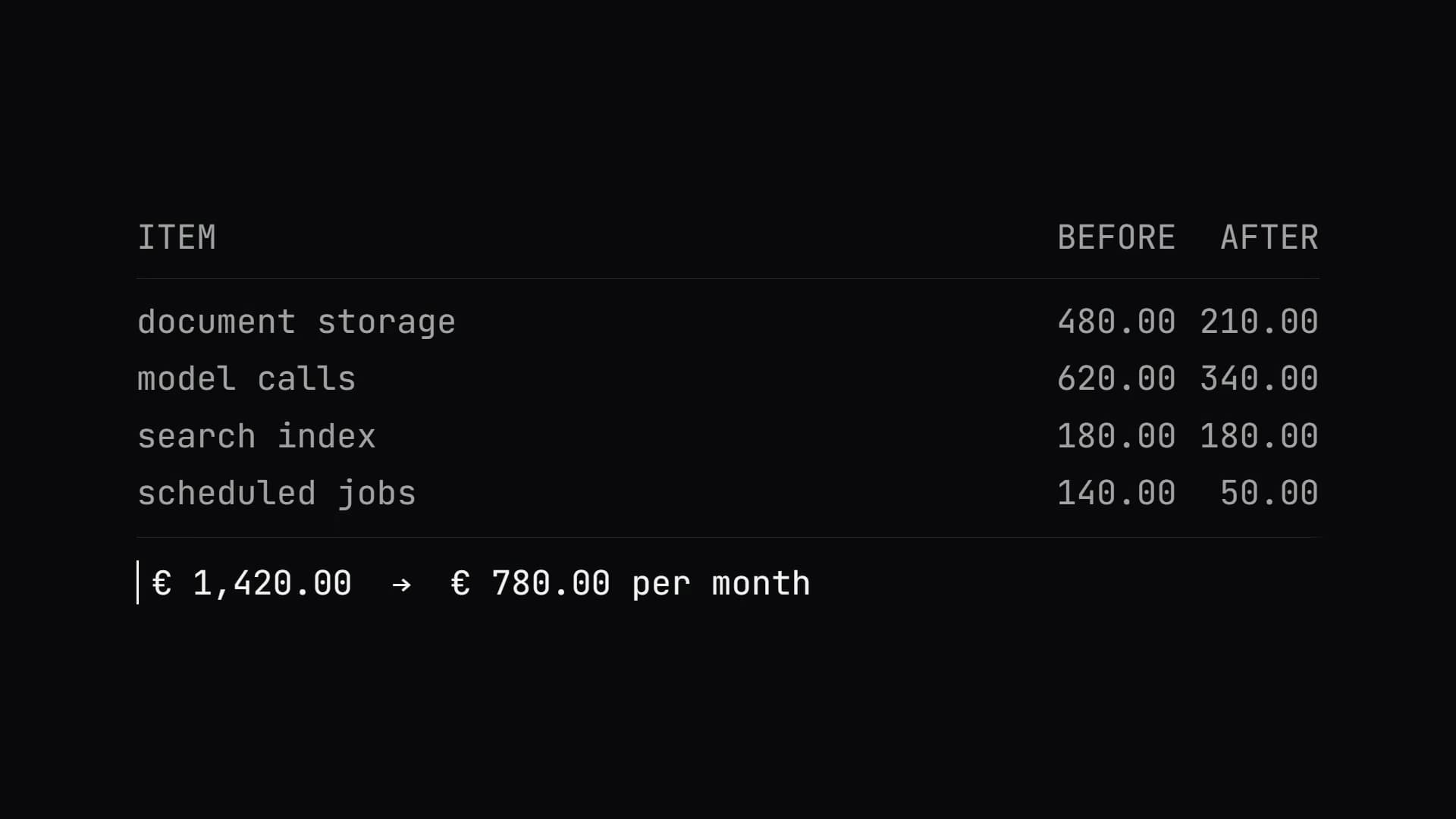
Replacing AI SaaS with an integrated in-house build
 AI-generated
The stack: pgvector, RAG, HNSW
After the situation and the way of working, nobody is still asking what is installed — they are asking whether any of it is real. The line stays; two frames below it answer.
Claude GPT Gemini pgvector PostgreSQL Python Node Docker Twilio RAG HNSW
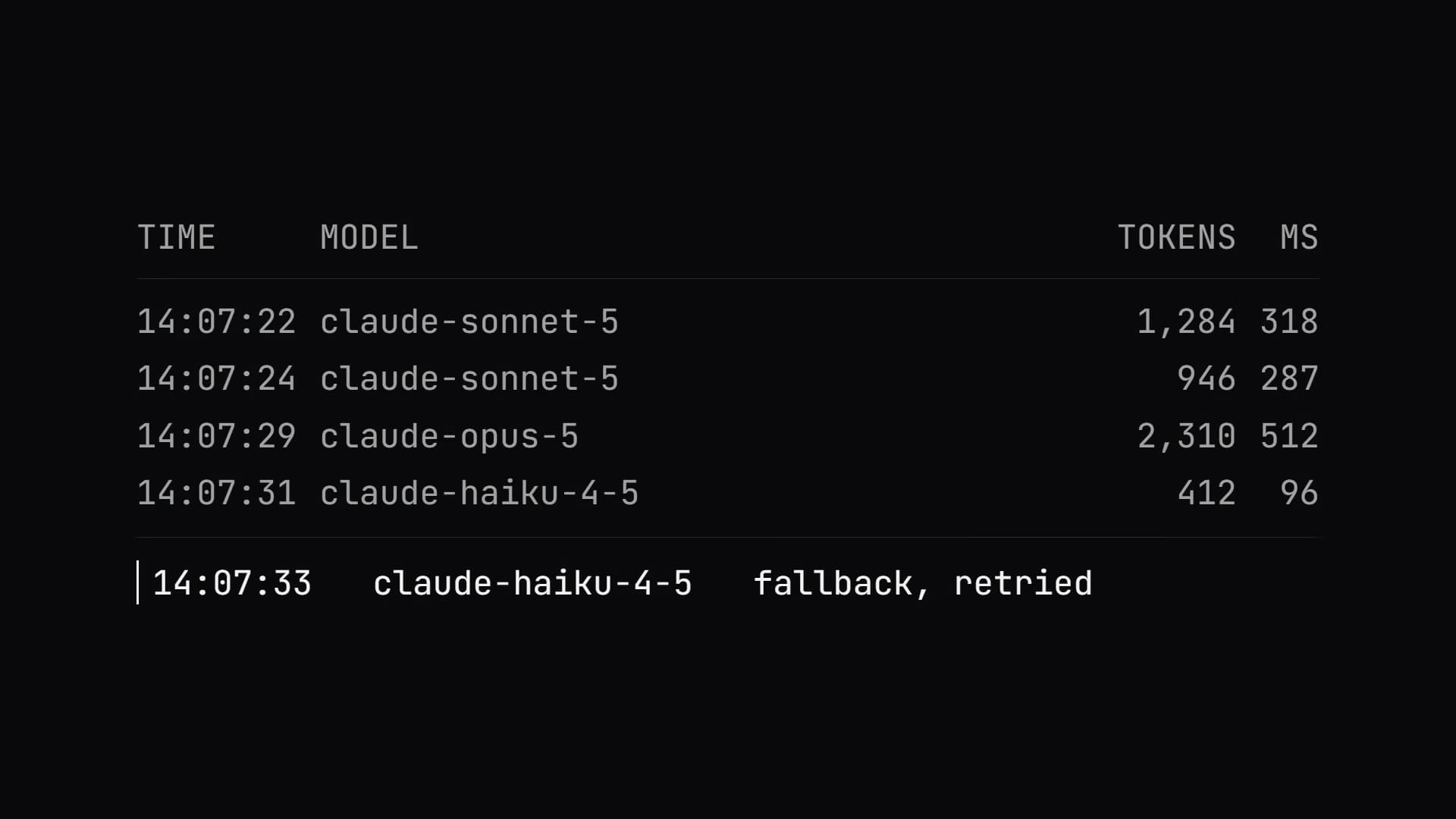
In use
 AI-generated
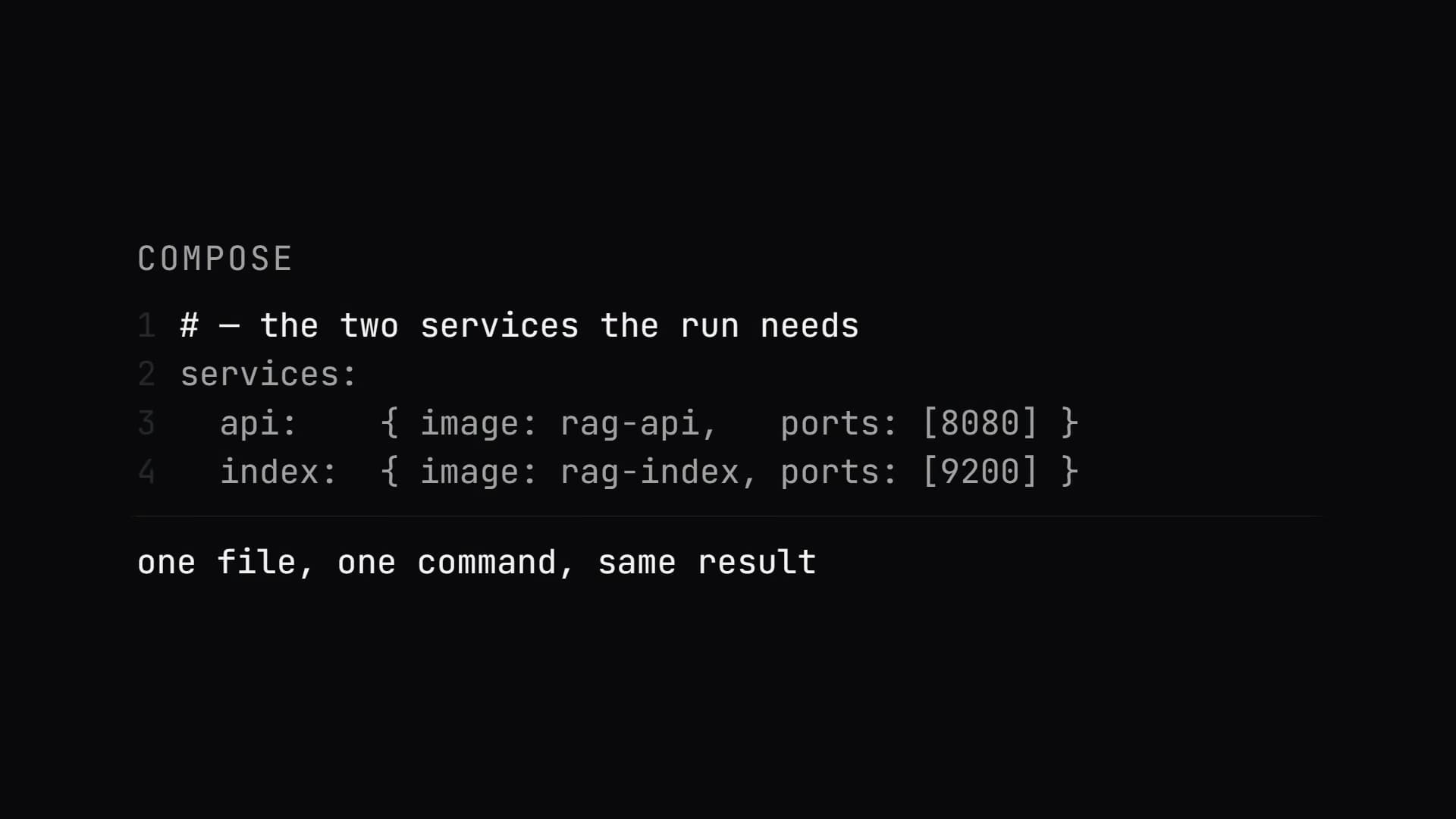
Repeatable
 AI-generated
Scale
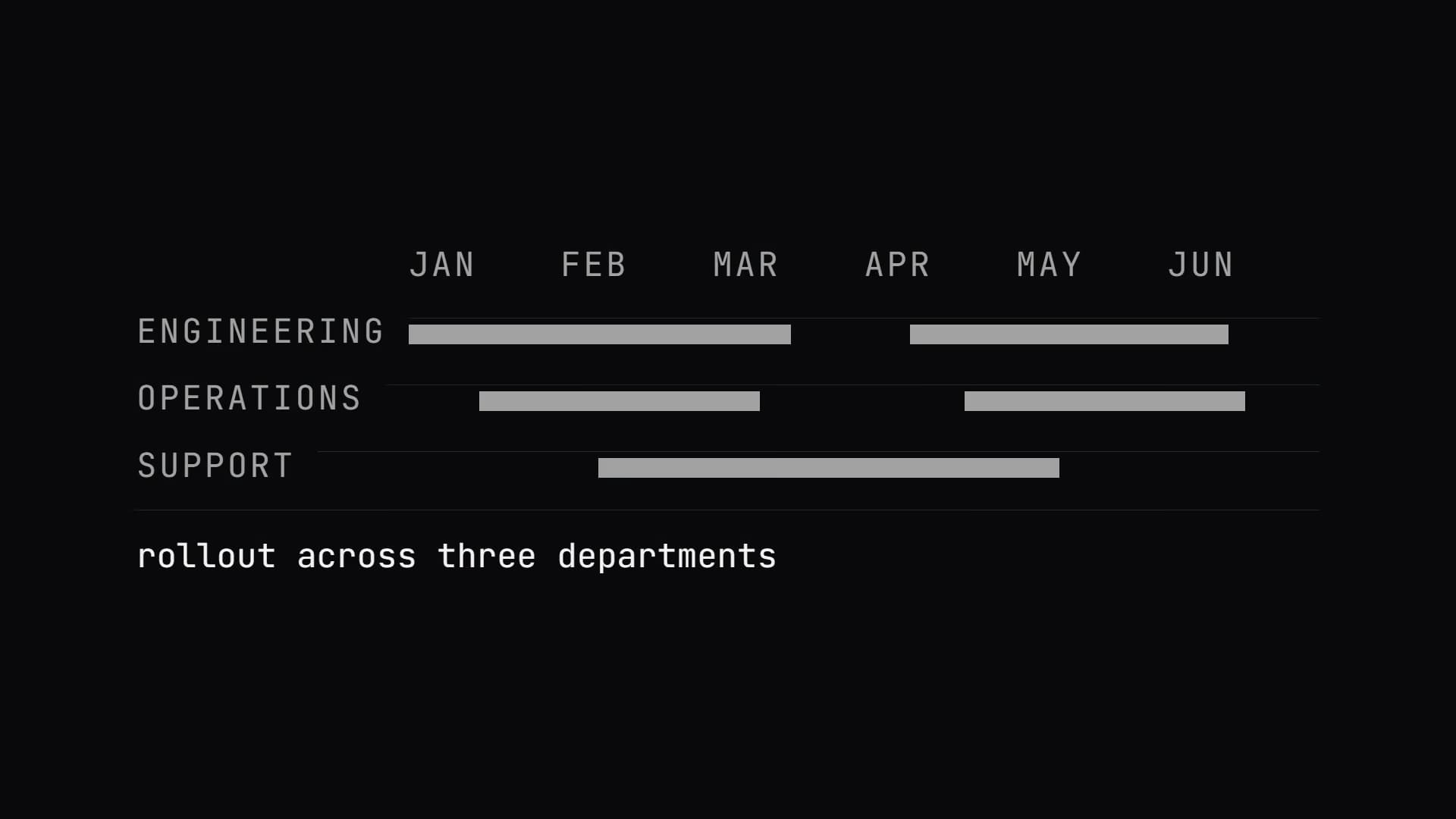
Small meant: a script that sorts invoice emails from Friday on. Large meant: search and assistance across 14,000 documents and three departments — the work sat in the edge cases.
 AI-generated
 AI-generated
Common questions
Five questions that keep coming up about this area — answered from the projects they came up in.
- What is RAG, and when is it the better build than a chatbot?
- RAG means: search the documents first, then let the model answer with what it found. It is the right shape as soon as the answer sits in the material itself and not in the model’s world knowledge.
- Where did the documents live — in-house, or with the model provider?
- The index lived in the client’s own PostgreSQL. Only the excerpt the question needs goes to the model — and where even that was too much, the model ran on their own machine.
- How many documents can a pgvector search handle?
- 14,000 documents across three departments run in production, with HNSW as the index. In practice the limit is not the number of documents, it is how cleanly they are cut.
- How was it measured whether the search is good enough?
- Against real questions from everyday work, not against a demo. The test set was built from questions that were actually asked; nothing went live below 90 % hit@3.
- Is a dedicated vector database like Pinecone needed?
- Rarely. pgvector sits inside the database that is already running — one system less, one backup less, one bill less. Past a few hundred million vectors that answer changes.