HomeExpertise02 · Cloud & Deployment
Cloud & Deployment
AWS architecture, deployment via Docker, secrets management. Or your own server, when that is the better math. This page shows what it fails on, how I built it, and what you can check it against.
- Area
- 02 of 04
- Stack
- 9 technologies
- Reference
- SnipeFlip
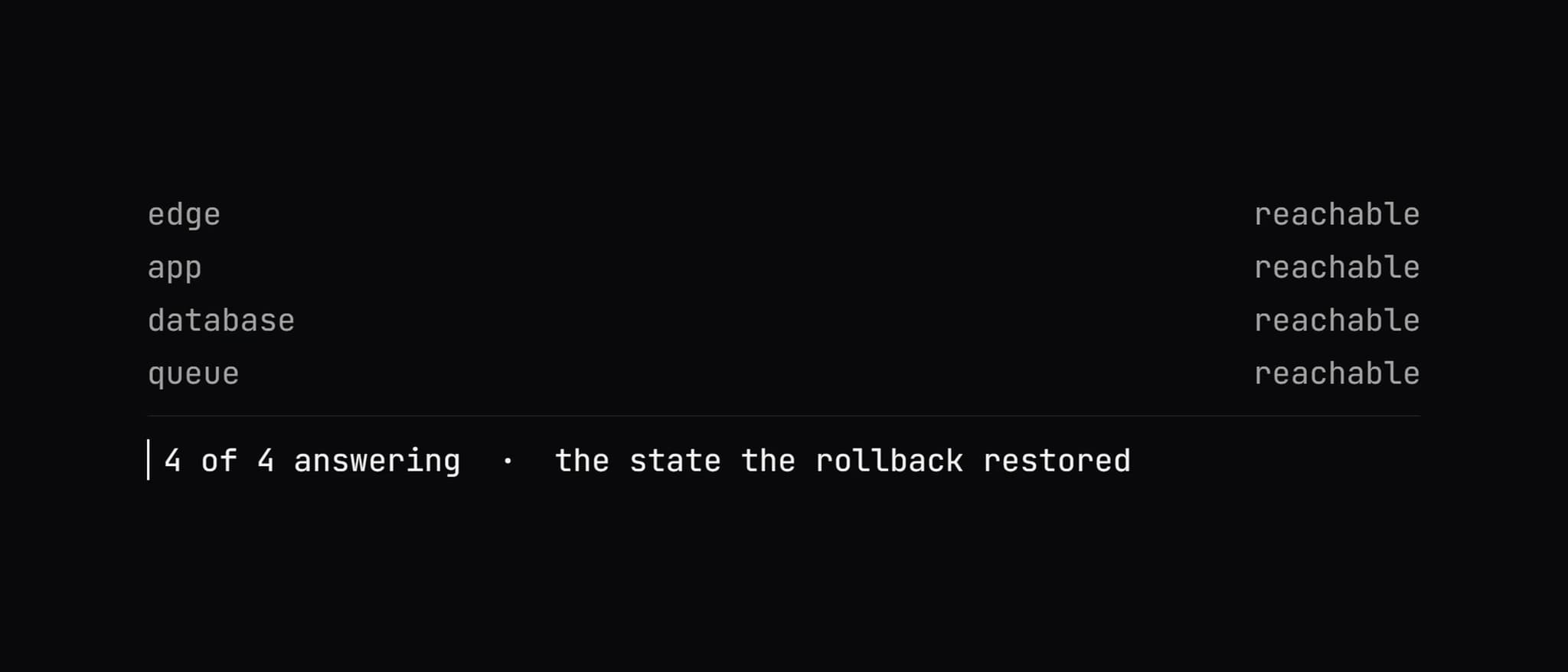
The situation: one person can deploy
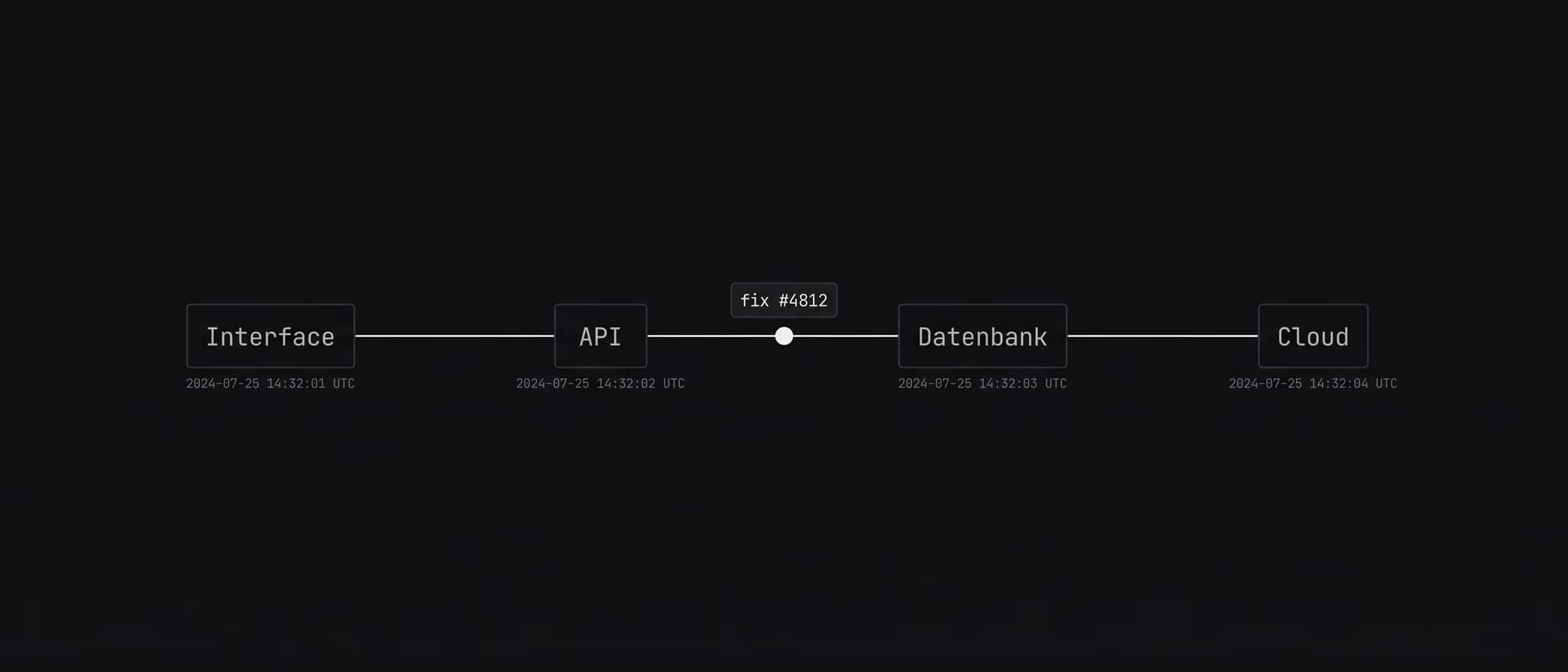
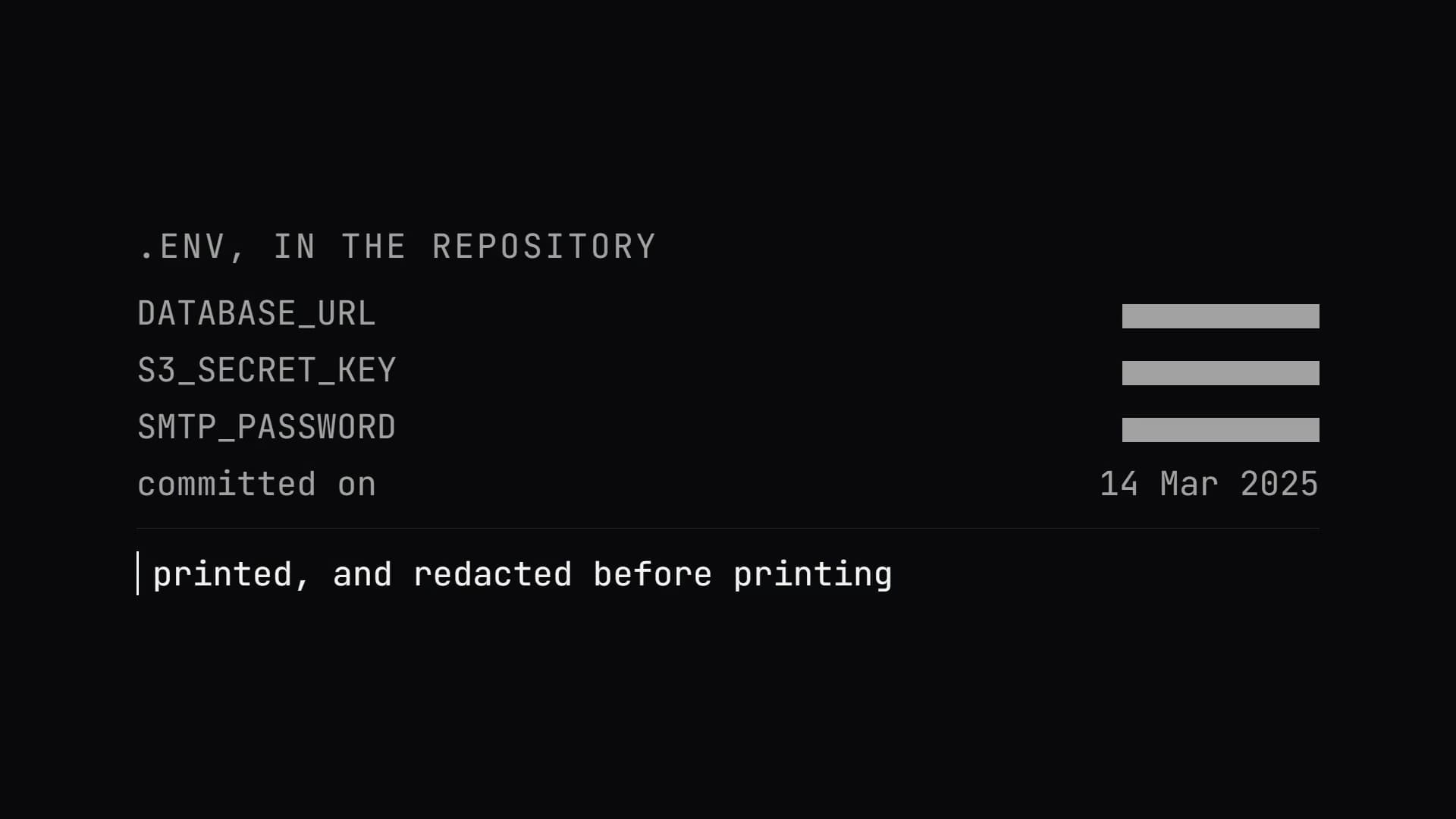
In many teams, deployment is the step exactly one person can do. Secrets sit in env files in the repository, the bill goes up, and nobody can say which service is driving the cost.
 AI-generated
Way of working
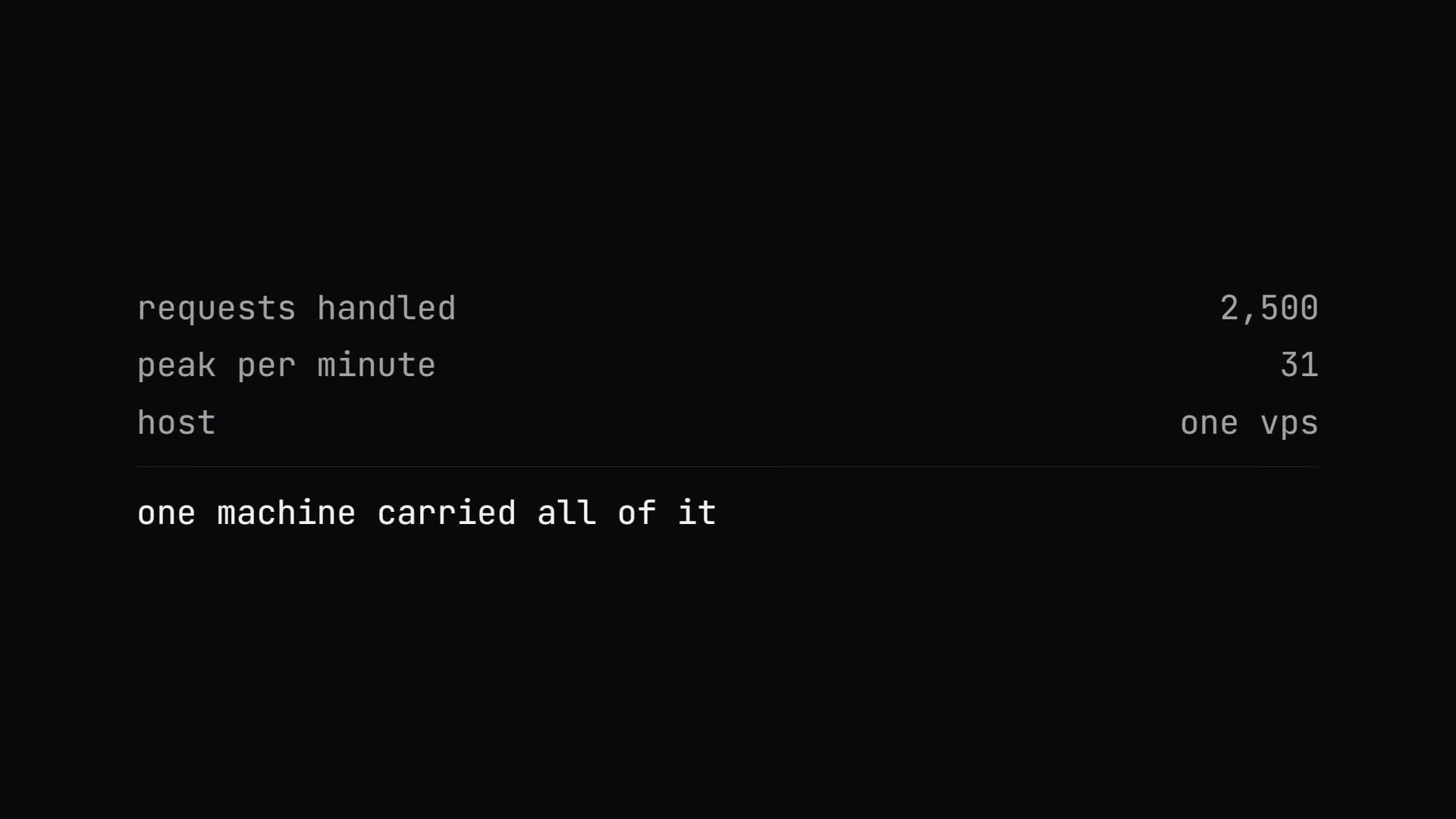
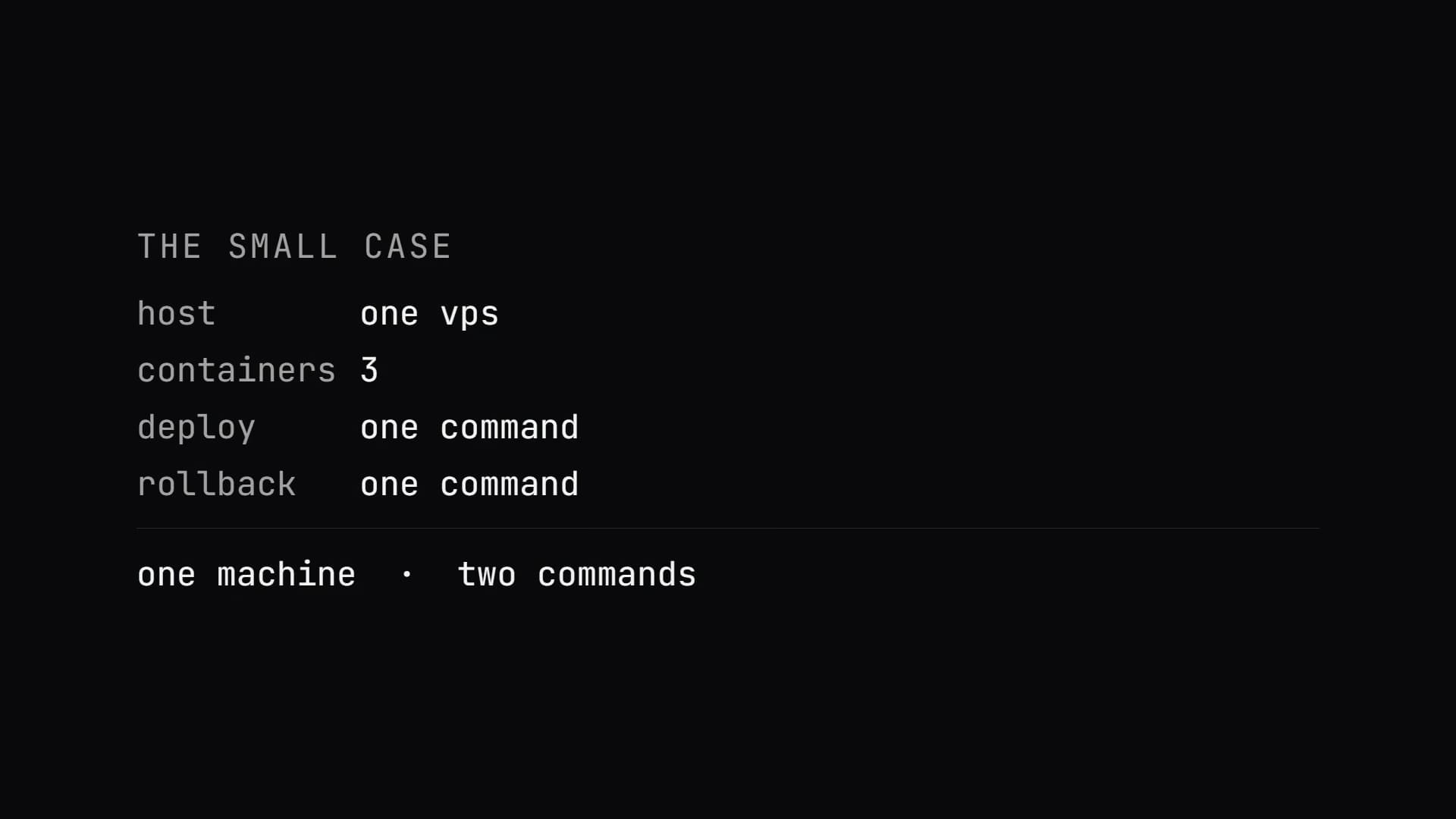
Measure first, move second. The cheaper architecture is often not the more modern one: SnipeFlip handles 2,500 deals per day on a single VPS. Where Lambda wins, I use Lambda — the bill decides, not the fashion.
EvidenceBefore and after2 exhibits
 AI-generated
The reference project for this area
A capability with no project behind it is a list of technologies. This is the project — with the number it produced, and the case study where you can check it.
Sneaker deals · Automation
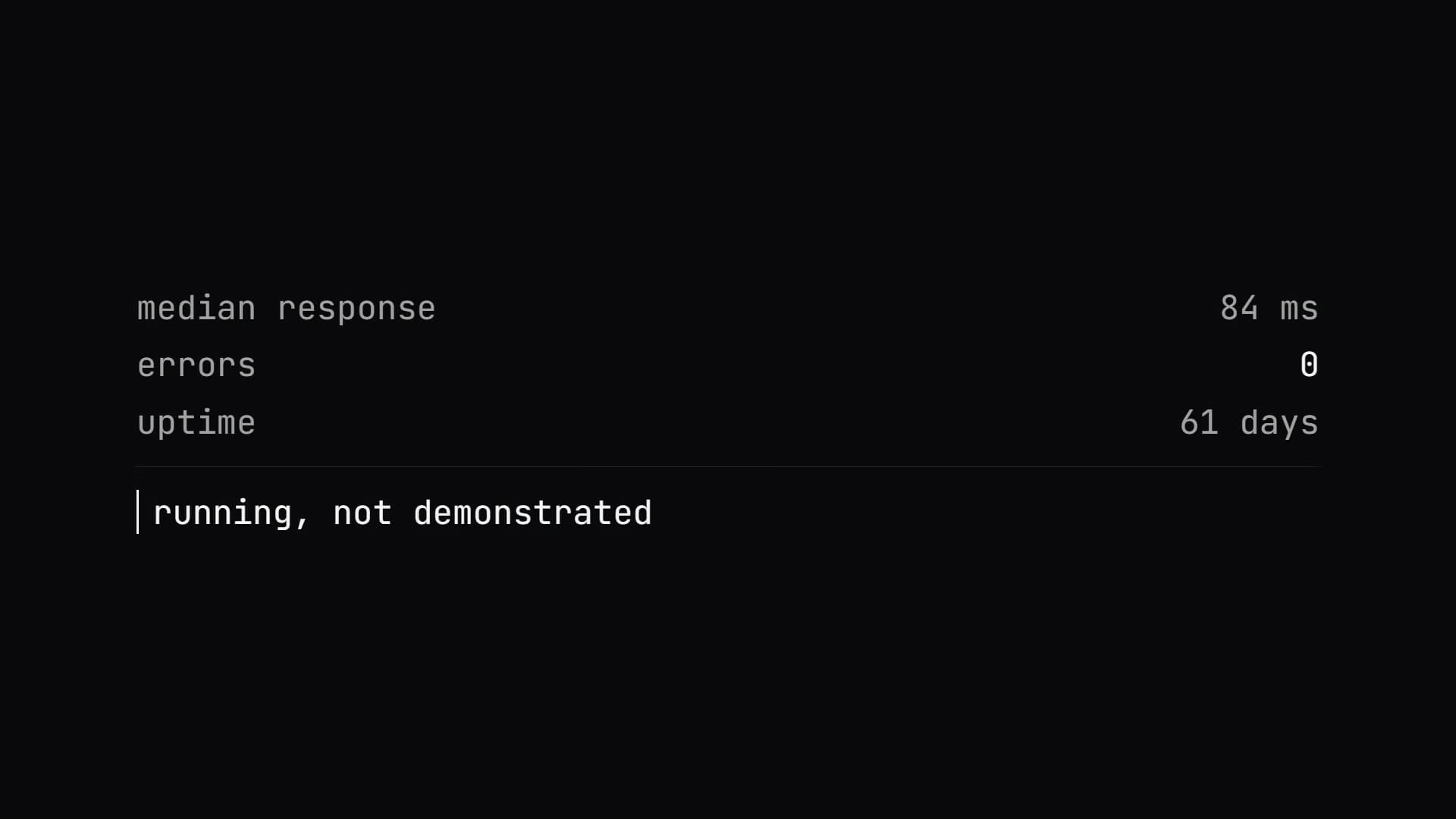
2,500
operations per day · one VPS
Deal tracking that handles 2,500 operations a day
Next.js React TypeScript PostgreSQL / Prisma WebSocket Cheerio DeepSeek PM2 VPS
What I worked on
Four kinds of work, each with the one picture that makes it checkable. Numbered so they can be pointed at — not because one follows another: each stands on its own.
- 01
Setting up deployment pipelines and CI/CD
- 02
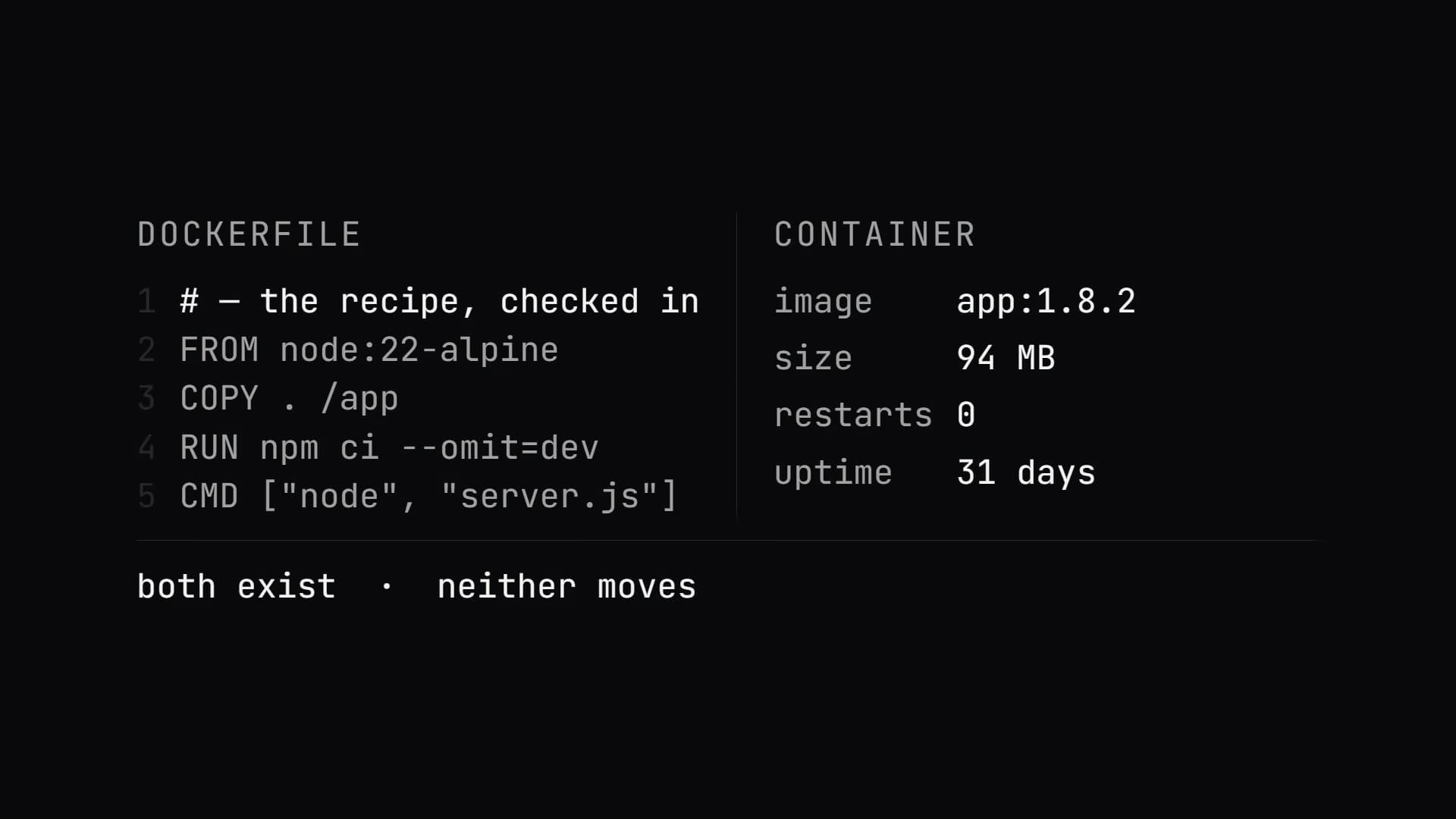
Containerizing existing applications
- 03
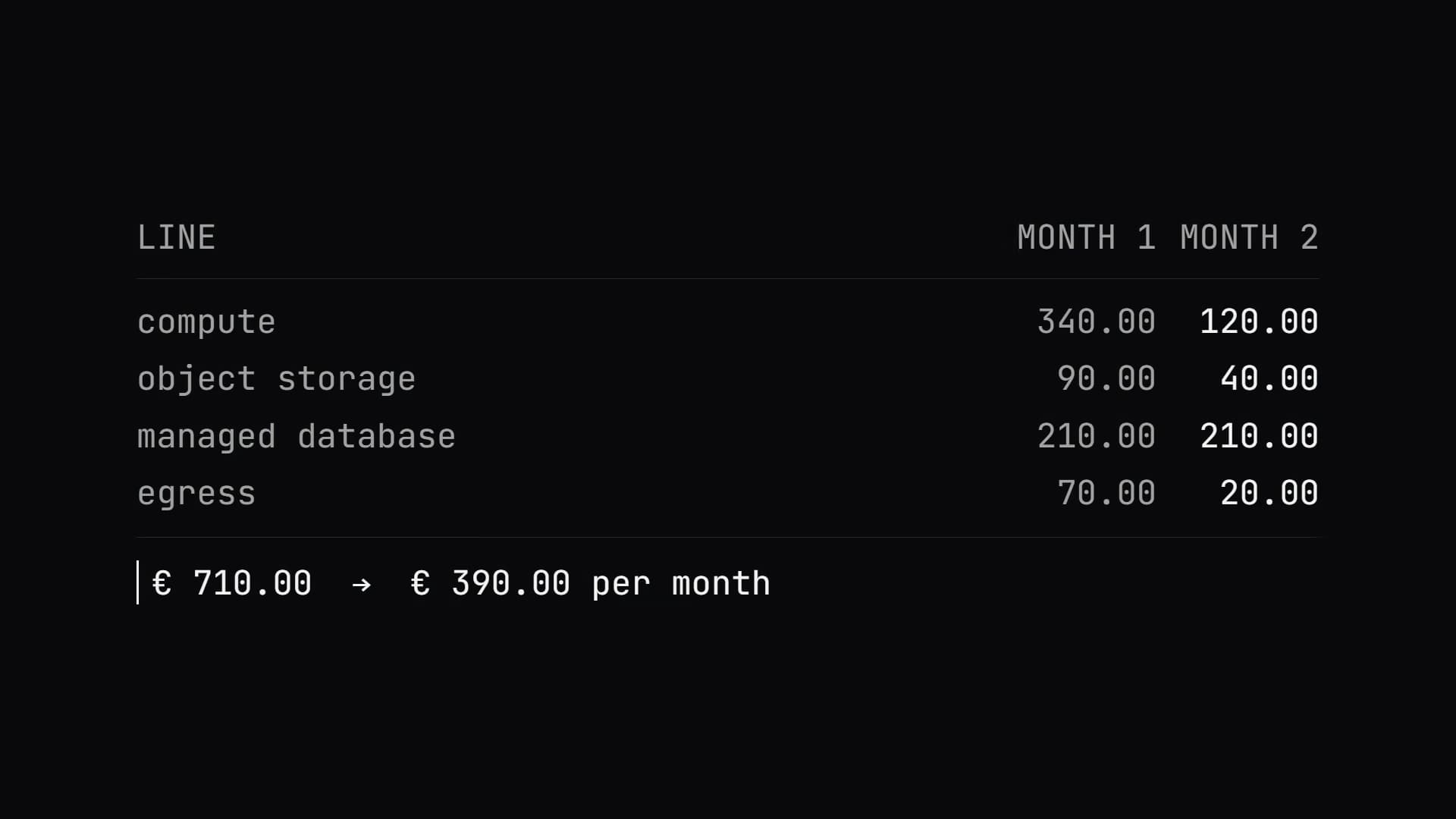
Cutting cost without giving up operational safety
- 04
Cleaning up access and secrets management
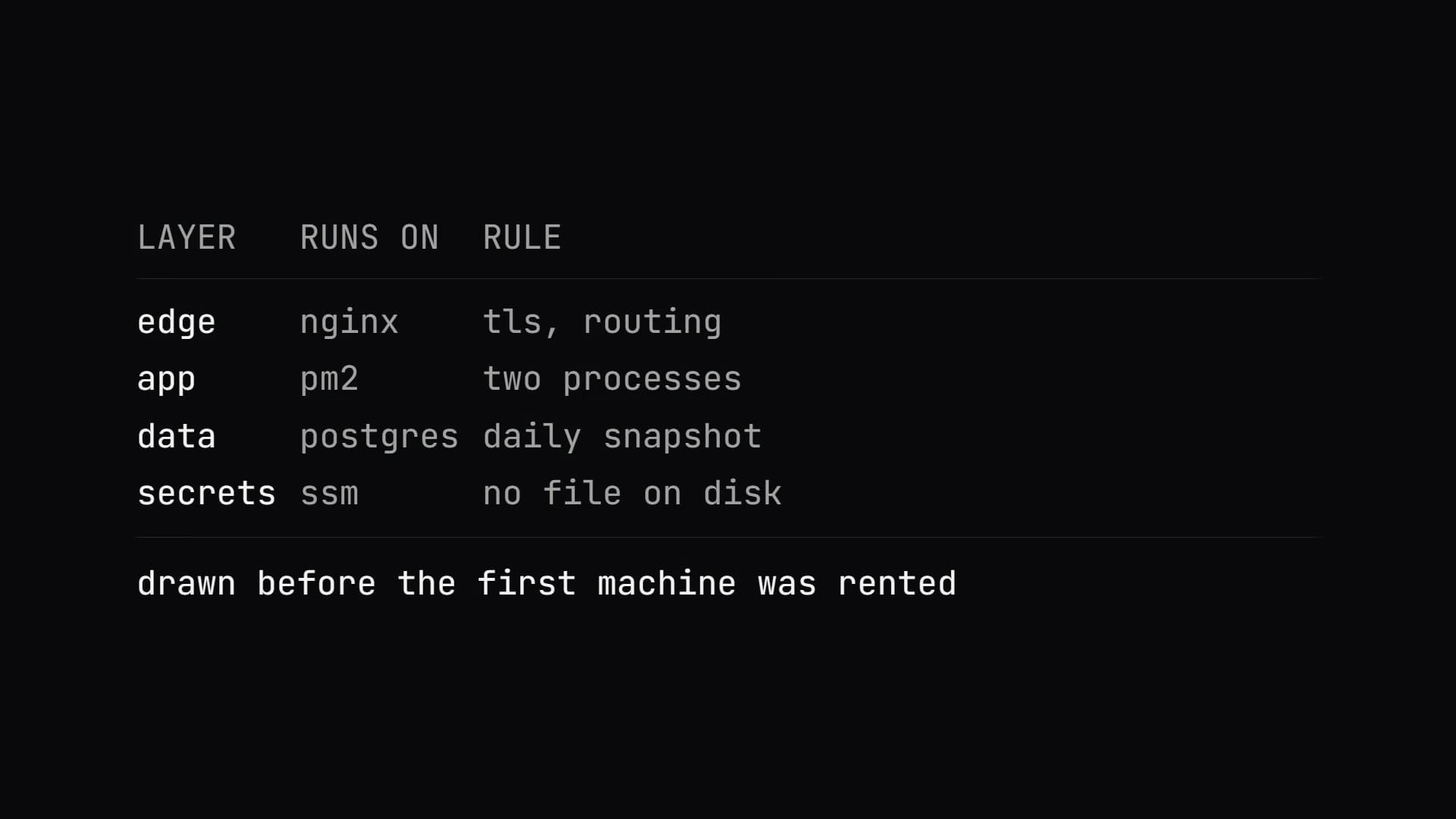
The stack: AWS, Docker, CI/CD
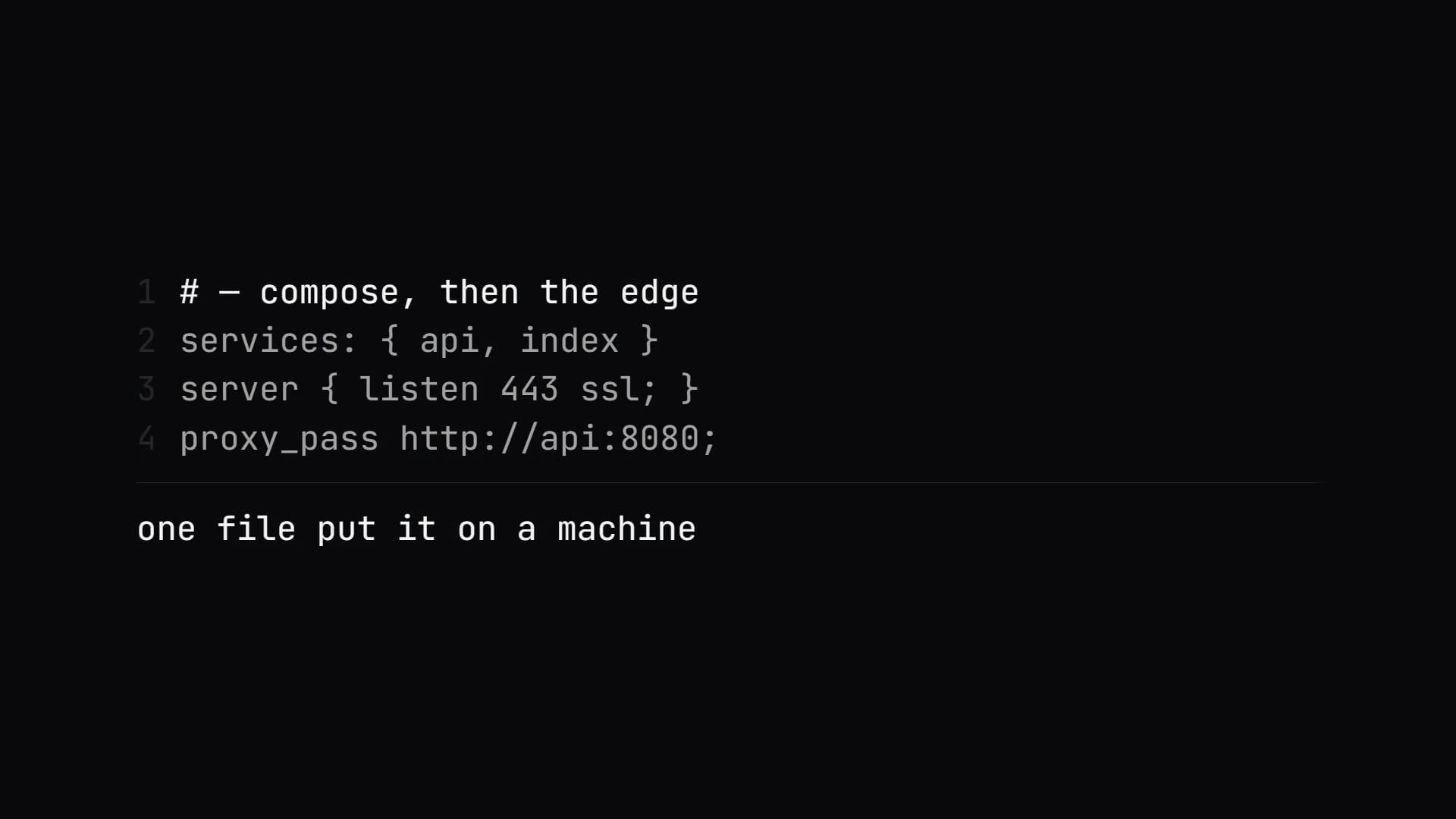
After the situation and the way of working, nobody is still asking what is installed — they are asking whether any of it is real. The line stays; two frames below it answer.
AWS (S3, Lambda, ECS, EventBridge) Docker SSM-Tunneling Infisical Nginx PM2 Hetzner Gitea CI/CD
In use
Repeatable
Scale
A pipeline was usually up in a few days. A migration into the cloud or out of it took two to six weeks, depending on the legacy.
 AI-generated
Common questions
Five questions that keep coming up about this area — answered from the projects they came up in.
- AWS or your own server — which is cheaper?
- The load decides that, not the catalogue. SnipeFlip handles 2,500 deals a day on a single VPS; where Lambda wins, I use Lambda. The arithmetic comes first, not afterwards.
- How long did it take to get a CI/CD pipeline running?
- For an application with a clean build, a few days: build, tests, migrations, rollout, and the way back if something breaks. It took longer where the build used to run on a laptop.
- Can an existing application be containerized?
- As a rule, yes. The work rarely sits in the Dockerfile — it sits in the paths, cron jobs and credentials that have grown onto exactly one machine over years.
- Where do the secrets live, if not in the repository?
- In a secrets store the application and the pipeline pull from at runtime — for me, usually Infisical. Anyone who once held a password does not see it in the clear afterwards.
- How much cost saving came out of it?
- It depended on what was running before. The largest line item was almost never compute, it was services nobody had cancelled. That is why this started with a measurement and not with a promise.